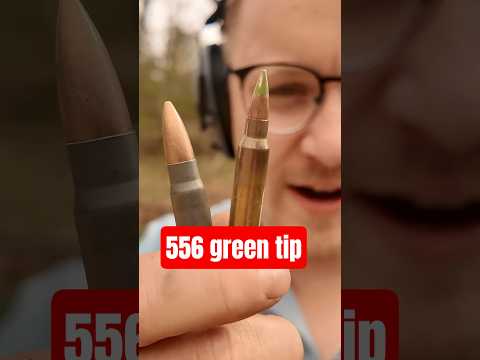
This gel block test compares the terminal ballistics of 5.56x45mm NATO M855 Green Tip and 7.62x39mm Tula ammunition. The 5.56mm round demonstrated significant expansion and tumbling, while the 7.62x39mm round showed similar width expansion but greater length and penetration. The test highlights the distinct terminal effects of these common rifle calibers.
This video features ballistic experts discussing the complexities of terminal ballistics, particularly in relation to the 30-06 caliber and its potential performance in the Charlie Kirk case. They emphasize that human tissue is highly variable, making precise replication of bullet impacts impossible and debunking simplistic theories about bullet behavior. The discussion highlights factors like bullet angle, tissue density, and fragmentation as critical to understanding atypical ballistic results.
This video provides a detailed ballistics gel test comparing the performance of 10.5-inch and 16-inch AR-15 barrels using M193 FMJ and 60gr V-Max ammunition. It highlights significant differences in velocity and terminal ballistics, demonstrating how barrel length impacts bullet performance and fragmentation.
This guide details a practical technique for observing bullet ballistics by firing through common materials like toilet paper. The video, featuring Nikko Ortiz, demonstrates how a .300 Blackout round from a SIG Spear LT interacts with Scott toilet paper, highlighting bullet tumbling at approximately the fourth roll. This visual demonstration offers educational insights into terminal ballistics in a controlled, albeit unconventional, testing environment.
This video addresses a common issue where a Canik pistol fails to stabilize cast lead bullets, resulting in tumbling and keyhole impacts on the target. The speaker, an experienced shooter, demonstrates how to identify bullet tumbling and shares their findings that their Canik performed poorly with both personal cast and commercially cast lead bullets. They found success using slightly oversized (.357-inch) copper-plated bullets from Extreme Ammunition, suggesting this as a potential solution for similar stability problems.
This video demonstrates the extreme penetration power of a .50 BMG rifle, specifically the Barrett M107/M82A1, by firing it through multiple drywall panels. The host, a firearms enthusiast, highlights the bullet's ability to pass through all five panels and begin tumbling, showcasing its significant terminal ballistics. The content emphasizes that while powerful, such rifles are impractical for home defense.
This video addresses a common shooting problem: bullets impacting targets sideways, known as 'keyholing.' The presenter, an intermediate enthusiast, uses an Aero Precision AR-15 with AAC 5.56 NATO ammunition and seeks solutions. The guide outlines steps to diagnose the issue, focusing on target analysis, firearm function, and ammunition/barrel specifications.
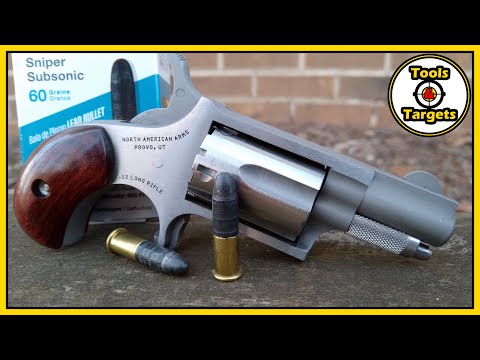
This video provides an expert-level analysis of Aguila .22 Sniper Subsonic 60-grain ammunition fired from short-barreled .22LR firearms, including the NAA Mini Revolver, Heritage Barkeep Boot Model, and Taurus TX22 Compact. The instructor, demonstrating significant expertise through structured ballistic tests, highlights key performance metrics like muzzle velocity, energy, and penetration depth in ballistic gel. The findings indicate that this ammunition, particularly from shorter barrels, tends to tumble rather than expand, with penetration varying significantly based on barrel length and meeting minimal FBI standards only with the longest tested barrel.
This video from Day Two of a Defensive Pistol Course with SpecDive Tactical, presented by Guns Out TV, delves into critical ballistics and ammunition performance. It demonstrates the effects of various rounds, including hollow points and full metal jackets, on simulated targets and barriers, highlighting projectile behavior like tumbling and expansion. The course emphasizes understanding how different ammunition types perform in real-world self-defense scenarios, offering practical insights for responsible gun owners.
This guide details the experimental process of firing a 5.56x45mm NATO round through a 7.62x39mm AK-103s rifle, as demonstrated by Polenar Tactical. It covers the mechanical predictions, the live-fire testing, and the post-firing analysis of the casing and target. The experiment highlights built-in safety features of the AK platform and the consequences of firing undersized ammunition in an oversized bore, including bullet tumbling and altered ballistic performance.
This video features a test of the Fort Scott Munitions Brush Hog 5.56x45 ammunition. The content focuses on demonstrating the bullet's designed tumbling effect upon impact, with the creator highlighting impressive results observed during the test. The description also includes calls to action for channel support via Patreon and social media engagement.
This video provides an expert-level ballistics comparison between the 5.56x45mm and 5.45x39mm calibers, utilizing an AR-15 and an AK-74 platform respectively. The 1ShotTV host, demonstrating high authority and practical experience, details the terminal ballistics of each round through standardized gel testing, highlighting differences in bullet design and impact behavior. The analysis concludes both calibers are effective, with distinct wound channel characteristics.
Gun Laws by State
Read firearms regulations for all 50 states + D.C.
Find Gun Dealers
Search licensed FFL dealers near you.