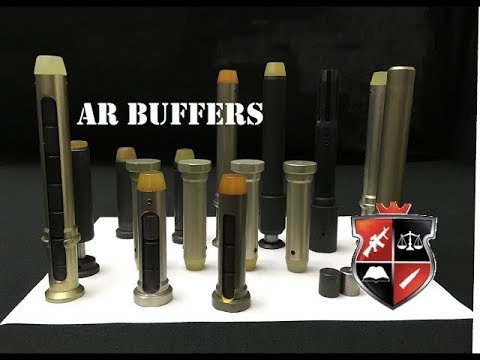
This guide explains the critical role of the AR-15 buffer system in rifle function, covering its components, history, and tuning capabilities. It details how buffer weight and advanced upgrades like hydraulic or captured spring systems can optimize performance, mitigate malfunctions like bolt bounce, and reduce felt recoil. Instruction is provided by an expert with high technical knowledge of AR-15 mechanics.
This guide details the installation of a Kynshot RB5005 Hydraulic Buffer into an AR-15 carbine platform. The video from AT3 Tactical visually compares this specialized recoil damper to a standard buffer, highlighting its potential to reduce felt recoil and bolt bounce. Proper installation involves replacing the existing buffer and spring, with a focus on understanding the mechanical differences for improved shooting dynamics.
This guide details how to adjust the buffer weight in an AR-15 to improve shooting characteristics, especially when using suppressors or different ammunition. It covers the function of various buffer weights (Carbine, H1, H2, H3) and provides a step-by-step process for swapping them out, emphasizing the importance of achieving a consistent 3 o'clock ejection pattern and reliable bolt lock-back.
This comprehensive review of the PSA - H&R XM177E2 clone offers deep insights from a firearms instructor. It covers historical context, detailed external and internal component analysis, and range performance. The expert highlights the rifle's historical accuracy, quality of reproduction, and value for collectors and enthusiasts, while also providing a guide for basic disassembly and inspection.
This video provides an in-depth look at CAC's K-Spec buffer systems, including standard carbine and A5 lengths. The instructor, a dealer for CAC products, explains the two-stage design of the K-Spec buffers and their potential benefits in managing bolt velocity, particularly for overgassed or suppressed firearms. However, he strongly cautions that these heavy buffers can also cause reliability issues in properly gassed systems and recommends starting with lighter configurations or considering adjustable gas blocks as a more versatile solution.
This guide covers the selection and installation of AR-15 stocks, grips, and buffer systems. It details the evolution from fixed A1/A2 stocks to modern adjustable M4-style stocks, emphasizing the importance of matching buffer systems (carbine vs. rifle length) to the firearm's configuration. The video also explores various grip designs, highlighting the benefits of more vertical angles and improved ergonomics, and discusses buffer weights (H1, H2, H3) for tuning recoil impulse.
This guide details how to select and install the correct buffer, spring, and buffer tube for an AR-15. It emphasizes matching components to barrel length and gas system for optimal cycling. The video features Randy from AT3 Tactical, a subject matter expert, explaining the mechanics and tuning process.
This guide, based on expert instruction from Classic Firearms, details how to select and tune the appropriate buffer weight for AR-15 platforms. It emphasizes using ejection patterns to diagnose gas system issues and recommends specific buffer weights for different barrel lengths and suppression configurations. Heavier buffers are shown to mitigate over-gassing and reduce felt recoil, particularly in shorter-barreled rifles.
This guide, drawing on the expertise of a former Colt employee and AR-15 SME Hank Tatro, details the critical role of AR-15/M16 buffers. It explains how buffer design evolved to manage bolt carrier bounce caused by increased firing rates and different ammunition types. The guide emphasizes selecting the correct buffer for specific firearm configurations and warns against improper mixing and matching, particularly for duty applications. It covers standard rifle and carbine buffers, as well as H, H2, H3, and specialized 9mm buffers, providing insights into their construction and application.
This guide, drawing on the expertise of Brownells, details the function and selection of AR-15 buffers. It explains the components of standard, H, H2, and pistol buffers, highlighting how tungsten carbide weights in heavier buffers manage bolt carrier group speed. The guide provides specific recommendations for buffer selection based on firearm type, caliber, and operational characteristics like full-auto fire or short barrels, emphasizing their role in smoothing recoil impulse and ensuring reliable cycling in direct blowback systems.
This guide, drawing from an expert assessment by nsz85, details the critical role of AR-15 buffers in rifle function. It covers buffer weight selection based on the principle of using the heaviest buffer that ensures bolt lock-back on an empty magazine. Key concepts like dwell time, overgassing, and their impact on extraction are explained, along with the mechanical differences between standard rattling buffers and those using tungsten powder.
This video provides a review of the Battlecomp 1.0 muzzle device for an AR-15 platform rifle. The reviewer details their setup, including a 16'' mid-length A2 profile CHF barrel with a "FA BCH" (likely referring to a Forward Assist bolt catch) and a carbine buffer. The review includes timed shooting sequences and night fire demonstrations, along with a discussion of the advantages and disadvantages of the Battlecomp. Social media links for the reviewer are provided.
You've reached the end! 12 videos loaded.
Gun Laws by State
Read firearms regulations for all 50 states + D.C.
Find Gun Dealers
Search licensed FFL dealers near you.