This guide, based on practical analysis from Shatterthewicked, evaluates the pros and cons of carrying a ported firearm for concealed carry. It covers potential snagging issues, muzzle flash in low light, increased noise and blast, and the critical danger of upward gas venting during retention shooting. The assessment emphasizes that while some concerns are exaggerated, the increased blast and gas venting pose real risks, particularly when fired from close proximity to the body.
This video from Tap Rack Bang, LLC, provides an expert-level breakdown of common concealed carry positions, detailing the pros and cons of appendix, 3/9 o'clock, 6 o'clock, pocket, and shoulder carry. The instructor emphasizes the importance of proper holster selection for comfort, security, and effective firearm access, highlighting appendix carry as the most ideal for many users due to its balance of concealment, draw speed, and firearm size capacity. The content is geared towards individuals seeking to optimize their everyday carry setup for safety and practicality.
This video, presented by a former active duty Marine, emphasizes the critical importance of fundamental firearm safety rules for new and experienced gun owners alike. It details the four core rules: treat every weapon as loaded, never point a weapon at anything you don't intend to shoot, keep your finger off the trigger until ready to fire, and keep the weapon on safe until intended for use. The instructor also introduces an additional rule for real-world scenarios: identify your target and know what is beyond it.
This video explores the pros and cons of carrying a firearm in the small of the back (6:00) position. While offering excellent concealment and discretion, it presents significant challenges in accessibility, comfort when seated, and drawing speed, especially under pressure. The instructor personally advises against this method due to these drawbacks, emphasizing safety and practical considerations.
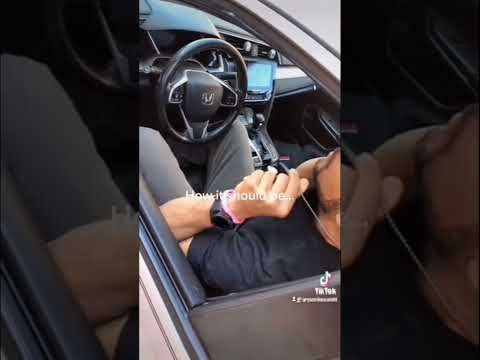
This guide details a technique for safe and compliant interactions during a traffic stop, particularly for concealed carry permit holders. It emphasizes clear communication and visible hand placement to de-escalate potential tension and ensure officer safety. The method, demonstrated by Instructor Mike, focuses on avoiding movements that could be misinterpreted as a threat, such as reaching for a concealed firearm.
This guide details safe firearm reholstering techniques for concealed and outside-the-waistband carry. Key steps include clearing garments, physically touching the holster, maintaining muzzle discipline, and visually confirming a clear path into the holster. The instructor emphasizes developing a consistent ritual to prevent accidental discharges and self-muzzling.
You've reached the end! 6 videos loaded.
Gun Laws by State
Read firearms regulations for all 50 states + D.C.
Find Gun Dealers
Search licensed FFL dealers near you.