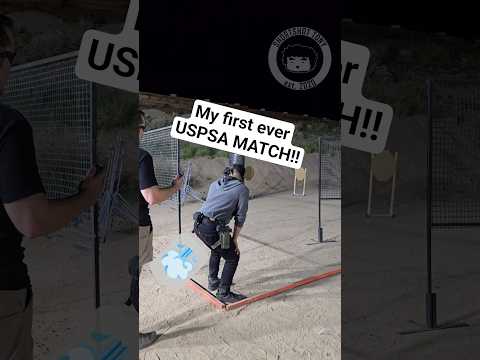
This guide details a competitive shooting stage technique demonstrated by Alyssa Seymour, focusing on efficient draw, movement between shooting positions, rapid target engagement with both steel and cardboard targets, and a dynamic reload while moving. The technique emphasizes smooth transitions and maintaining control for optimal performance in USPSA events. Instruction from an experienced competitor highlights key aspects of stage execution.
This video breaks down the real costs of competitive shooting, differentiating between a basic starter setup and an advanced competitor's gear. It details the expenses for firearms, magazines, holsters, belts, protective equipment, and the recurring costs of match fees and ammunition. The instructor emphasizes that while initial investment can be significant, gear upgrades offer performance multipliers that enhance shooting capabilities.
Alyssa Seymour, an intermediate USPSA competitor and certified instructor, shares 10 key lessons learned in her first year of competition. Her advice focuses on mastering stage strategy, efficient reloading, and utilizing practice tools like dry fire and VR systems. Seymour emphasizes that skill and smart planning are more critical than expensive gear for success in USPSA.
This video demonstrates the USPSA Doubles Drill, emphasizing aggressive draws with a focus on establishing a full grip and visual connection before the first shot. A USPSA Grand Master showcases efficient recoil management and sight alignment for rapid, accurate pairs of shots. The drill highlights the importance of target connection for consistent performance.
This video details a challenging competition match experienced by Summer, highlighting common pitfalls in competitive shooting. It covers performance across multiple stages, equipment issues like loose optic plate screws, and the importance of proper gear management. The narrative emphasizes resilience and learning from match failures, offering insights for fellow competitors.
This guide details a competition shooting technique for engaging a steel spinner target, as demonstrated by an experienced competitive shooter. It emphasizes timing shots to build momentum and achieve a full rotation of the target. Proper gear setup, including a competition belt and holster, is also highlighted.
This guide details how to participate in an IDPA match, from registration and gear setup to understanding stage descriptions and executing each stage safely. It covers essential range protocols, Carry Optics division rules, and scoring, offering practical advice for competitors. Instruction is provided by an experienced shooter, emphasizing safety and performance.
This guide outlines the experience of a first-time competitor in USPSA, covering the initial setup, stage execution, and scoring review. It highlights the importance of understanding competition divisions like Carry Optics and using equipment such as a red dot optic and competition belt. The video emphasizes the learning curve and humorous aspects of entering competitive shooting for the first time.
This guide synthesizes expert advice from a competitive shooter on selecting and outfitting a competition firearm. It covers firearm choices like the Canik Rival SFX and Springfield Echelon, essential accessories such as competition belts and magazine loaders, and recommendations for holsters and electronic ear protection. The advice also touches on building an AR-15 for customization and filming range sessions with specific gear.
This video demonstrates a high-speed, precision trick shot executed by professional shooter Toni McBride. It highlights the importance of a fast, controlled draw from an OWB holster and accurate shot placement under pressure, as evidenced by a sub-1.5-second draw-to-hit time recorded on a professional shot timer. The technique showcases advanced firearm handling skills relevant to competitive shooting and tactical applications.
This video provides an updated look at a competition belt rig, featuring a NEX ratcheting belt and a Tier One Concealed holster for a Glock 19X with specific modifications. The presenter also details the use of CR Speed magazine pouches and discusses comfort considerations for the holster. The setup is designed for practical application in shooting sports like IDPA and USPSA.
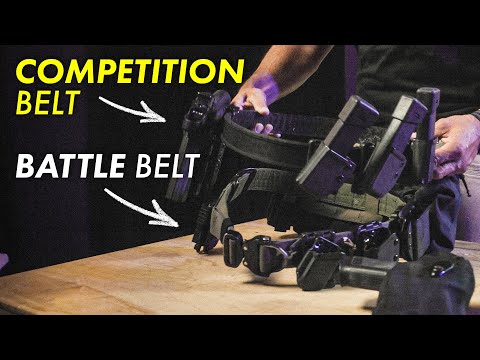
This video from FieldCraft Survival explains the differences between competition belts, duty belts, and tactical belts, advocating for a competition-style two-belt system as the most cost-effective entry point for new firearms trainees. The instructor emphasizes that skills are paramount and equipment should support, not inhibit, training, noting that competition belt setups translate directly to duty belt configurations for consistent muscle memory.
Gun Laws by State
Read firearms regulations for all 50 states + D.C.
Find Gun Dealers
Search licensed FFL dealers near you.