What I Learned In USPSA After 1 Year | 10 Tips For USPSA

Published on January 30, 2026
Duration: 21:29

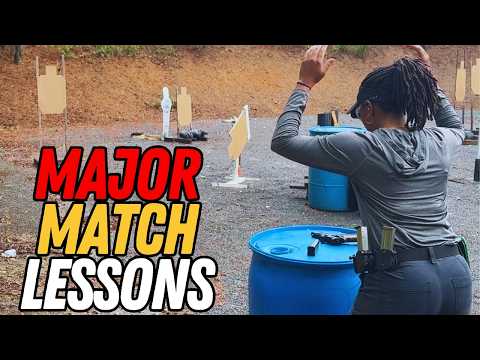
Alyssa Seymour shares key lessons learned during her first year of USPSA competition. She emphasizes understanding the rules for strategic advantage, mastering stage planning, and improving reloading efficiency. Repetition through dry fire is crucial for building muscle memory, allowing focus on strategy during matches. Developing shot-calling confidence and pushing limits in local matches are vital for growth. Skill development, proper gear management, and self-analysis through recording are also highlighted as essential for success.

Quick Summary

Alyssa Seymour shares essential USPSA tips after one year of competition, emphasizing understanding rules for strategic advantage, efficient stage planning, and reloading while moving. Repetition through dry fire builds muscle memory, freeing cognitive load for strategy. Pushing limits in local matches and using POV cameras for analysis are key to improvement.

Chapters

  1. 00:00Introduction and USPSA Recap
  2. 02:31Tip 1: Game the System
  3. 07:56Reloading and Efficiency Tips
  4. 08:46Tip 2: Repetition is Simplification
  5. 10:24Tip 3: Confidence and Shot Calling
  6. 12:24Tip 4: Push Your Limits Often
  7. 14:27Tip 5: Gear, Divisions, and Logistics

Frequently Asked Questions

What are key strategies for improving performance in USPSA competitions?

Key strategies include understanding rules for advantages (like starting with a round chambered), mastering stage planning for efficient target order and movement, and practicing efficient reloads, ideally while moving. Repetition through dry fire builds muscle memory, allowing focus on strategy during matches.

How can new USPSA shooters gain confidence and speed?

New shooters can build confidence and speed by developing the ability to 'call their shots,' confirming hits without visual confirmation of steel falling. Treating local Level 1 matches as testing grounds to push limits with higher speeds and riskier movements is also crucial for identifying and improving failure points.

What role does equipment play in USPSA, and what gear is recommended?

While skill is paramount, efficient gear management is important. A wagon for carrying equipment is recommended. Choosing the right division is key. High-capacity firearms like the Staccato 2011 (18-20 rounds) are common, but fundamental skills trump expensive gear. POV cameras like the Insta360 Go 3S aid self-analysis.

Why is repetition and dry fire important for USPSA shooters?

Repetition, especially through dry fire practice, is vital for turning fundamental shooting skills like grip, sight alignment, and trigger press into automatic muscle memory. This automation allows the shooter's brain to focus on complex stage planning and decision-making during the actual match, rather than basic mechanics.

Related News

All News →

More Range & Competition Videos You Might Like

More from Alyssa Seymour

View all →