This video provides an in-depth look at the manufacturing and testing processes for composite body armor, specifically focusing on Hesco plates. It details the multi-step production from raw materials to finished product, including the use of polyethylene and ceramic components. The video also extensively covers NIJ certification standards, ballistic testing methodologies, and the importance of rigorous quality control to ensure reliable protection.
This video features Matt Carriker of Demolition Ranch conducting extreme ballistic tests on advanced body armor. With high authority in firearms entertainment and destructive testing, he demonstrates the capabilities of Premier Body Armor plates against various high-caliber threats, including .50 BMG ball, API, AP, .408 CheyTac, and .500 Auto Max rounds. The tests highlight the effectiveness of a custom 9-layer composite plate against significant threats, while also showcasing failures with less robust armor and ammunition feeding issues.
This video compares steel versus composite armor, discussing their pros and cons. Steel armor is presented as an affordable option with some drawbacks, while composite armor is highlighted as more expensive but lighter and more effective. The video emphasizes that it is recorded on a private range under professional supervision and includes disclaimers about not attempting the demonstrations at home, stating that all work should be performed by a trained professional. The content is strictly for educational and entertainment purposes, and viewers are warned about imitation at their own risk.
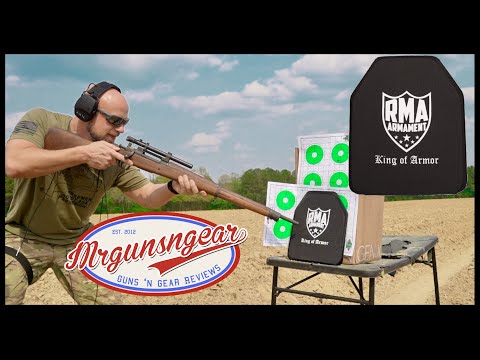
This review thoroughly tests the RMA Defense Level IV Model 1155 composite armor plates. The testing demonstrates the plates' ability to stop various threats, including .30-06 AP rounds, green tip .223/5.56mm, 9mm, 7.62x39mm, and even .50 BMG ball ammunition when used in conjunction. The analysis highlights the plate's construction, failure points, and impressive performance beyond its rated specifications, offering valuable insights for armor selection.
This video features an in-depth test of an RTS Tactical Level 4 body armor plate, demonstrating its ability to withstand multiple high-velocity rifle rounds at close range. The presenter, 'daily shooter,' highlights the plate's lightweight composite construction compared to steel and its effectiveness against various calibers. The test confirms the plate's integrity, though it sustains significant damage, emphasizing its single-use nature after such an impact.
This video demonstrates the ballistic performance of a classified armor plate, allegedly approved by the DOD. Expertly conducted tests by Edwin Sarkissian, a high-authority firearms influencer, showcase the plate's ability to stop both .30-06 AP and .308 FMJ rounds with minimal penetration. The testing highlights the advanced composite materials and the plate's effectiveness as next-generation body armor.
This review of the Tactical Scorpion Gear Lightweight Composite Level III+ Plate highlights its performance against common rifle threats like M193, 308, and 7.62x39mm. The plate demonstrated effectiveness, stopping rounds without penetration, though it failed against 30-06 AP ammunition as expected. The instructor emphasizes its lightweight nature and competitive price point, making it a viable option for those seeking reliable, domestically produced armor.
You've reached the end! 7 videos loaded.
Gun Laws by State
Read firearms regulations for all 50 states + D.C.
Find Gun Dealers
Search licensed FFL dealers near you.