This video reviews a Temu Night Vision Device, questioning its quality compared to professional gear. The host, with high authority and a skeptical tone, tests the budget NVG, highlighting the common misconception that cheap night vision exists. The review focuses on the value proposition and potential performance of affordable tactical equipment.
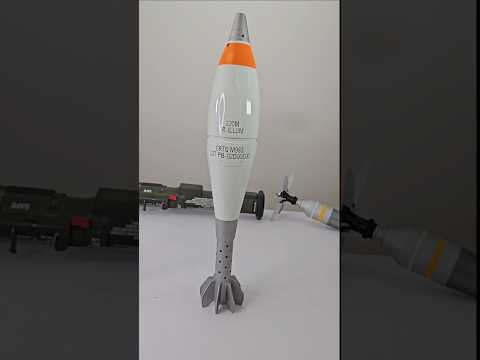
This video details the restoration process for a 120mm M983 IR-ILLUM mortar round, including painting the tail fins and sandblasting the fuse. It then transitions to operational use, showcasing a mortar team firing the round and its subsequent infrared illumination flares deploying via parachute, as viewed through night vision. The content highlights detailed restoration techniques and the practical application of military-grade ordnance for night operations.
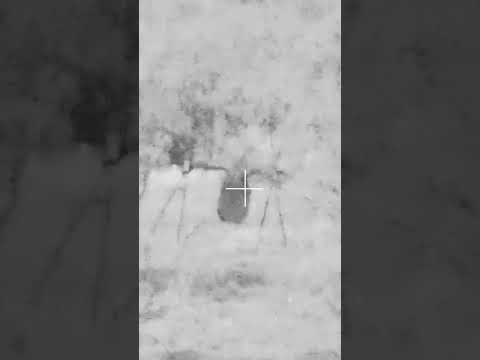
This video showcases thermal footage with the title '640 Core Thermal Footage'. Based solely on the title, it is implied that the content might involve firearms or related equipment being observed or tested using a 640-resolution thermal imaging core. Potential applications could include night vision, hunting, or tactical scenarios where thermal detection is beneficial.
This video demonstrates the significant advantage of thermal imaging in dense vegetation, even in daylight. The speaker highlights how thermal optics can detect heat signatures invisible to the naked eye, making them invaluable for identifying hidden individuals. This technology provides a critical edge in spotting targets that would otherwise be concealed by camouflage and foliage.
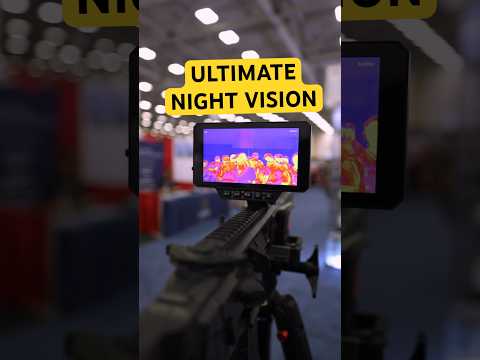
This video discusses the advantages of thermal imaging over traditional night vision (NVG) in low-light tactical scenarios. The speaker highlights how thermal optics detect heat signatures, allowing for the identification of hidden threats that NVGs might miss. The discussion emphasizes the significant tactical edge thermal capabilities provide to small units, enabling earlier detection and more effective engagement.
This video provides a detailed explanation of how night vision technology works. It covers the fundamental principles behind image intensification and thermal imaging, breaking down complex concepts into easily understandable terms. The content aims to educate viewers on the science and application of seeing in low-light conditions, likely relevant for tactical, outdoor, or specialized operational contexts.
This video explores potential upgrades and additions for a "Bastion" platform to enhance its night vision (NVG) setup. The creator is soliciting suggestions from the audience on what accessories or modifications would improve the NVG experience with this particular firearm. The focus is on enhancing the capabilities of the firearm for low-light operations, implying discussions around night vision equipment and its integration.
This video discusses camouflage suitable for night vision (NODs) and highlights a common misconception regarding infrared (IR) and ultraviolet (UV) light among Reddit users. The content focuses on tactical applications of camouflage and may touch upon related gear or principles relevant to nighttime operations.
This video explores the application of Infrared (IR) illumination in conjunction with traditional night vision technology. The content, produced by Basement Operator Company, is designed for educational and entertainment purposes, offering insights into building, discounts, and merchandise. The creator emphasizes firearm safety and offers communication channels for discussion. The video also promotes their media services for supplemental marketing content.
This YouTube video, titled "Photonic Barriers," focuses on how active Infrared (IR) technology can make targets effectively disappear. The description highlights that the InRange channel is supported by viewer contributions via Patreon, indicating a content style likely involving demonstrations or reviews of tactical equipment and firearms.
This video compares the capabilities of night vision (PVS-14) and thermal imaging (Armite Contractor) for tactical and observational purposes. It highlights how thermal excels at detecting heat signatures, such as blood trails or residual heat on surfaces, while night vision is better in low-light environments with ambient light, providing higher resolution and a wider field of view. The comparison demonstrates thermal's limitations in brightly lit or heat-saturated environments and night vision's vulnerability to light sources.
This YouTube video aims to showcase night vision technology that is accessible to a wider audience, suggesting a focus on budget-friendly or more affordable options. The title implies a review or demonstration of readily available night vision devices, potentially comparing them to more expensive alternatives or explaining their functionalities for everyday users.
Gun Laws by State
Read firearms regulations for all 50 states + D.C.
Find Gun Dealers
Search licensed FFL dealers near you.