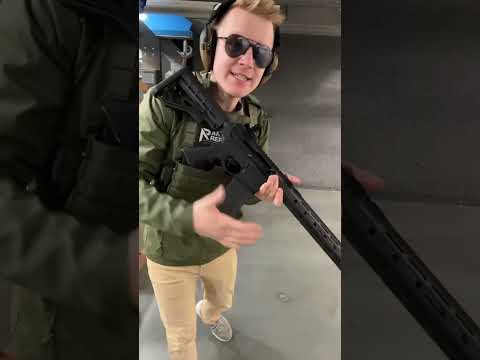
This video tests the effectiveness of a Level IV C2 MH ballistic vest and a Level IIIA Fast Cut helmet against rapid-fire 30-round bursts from a budget AR-15 at 75 feet. The results indicate a high probability of being hit in areas not covered by the vest, such as the abdomen and pelvis, when the shooter is not precisely aiming at the vest itself. The test highlights the importance of understanding coverage limitations of personal protective equipment.
This video tests the ballistic resistance of the Tardigrade Industries Maxilla face mask against various calibers. The mask, rated to Level IIIA, successfully stopped .22 LR, 9mm, and .45 ACP rounds with minimal damage. While not rated for .223 Remington, it also stopped this round, though it resulted in a visible dent on both sides.
This video showcases the ZAHAL Backpack, highlighting its all-around protection capabilities. It features integrated Level IIIA ballistic panels on the front, back, and sides, emphasizing its role in providing ultimate safety. The description also includes a direct link to the product page for the Masada Valkyrie bulletproof backpack, which offers full-body armor and a bulletproof vest.
This video tests the ballistic resistance of the new Premier Body Armor Fortis helmet, specifically the second-generation model. The instructor demonstrates its protection against various handgun calibers, including 9mm, 10mm, .44 Magnum, .50 AE, and the powerful .500 S&W Magnum, as well as a 12-gauge slug. The helmet is shown to stop all tested projectiles, with varying degrees of backface deformation.
This video showcases the ZAHAL Masada backpack, emphasizing its discreet design and Level IIIA ballistic protection. It highlights the backpack's ability to be upgraded for rifle protection by adding plates. The description provides a direct link to purchase the product on the ZAHAL Armor website, suggesting the video serves as a product advertisement and informational piece.
Instructor Mike tests Premier Body Armor's Everyday T-Shirt Body Armor, rated Level IIIA. The armor successfully stopped 9mm ball and Critical Duty rounds, as well as a .40 S&W round, demonstrating its capability against common handgun threats. The presenter notes the armor's light weight and comfortable material, suitable for extended wear.
This video contrasts the performance of ballistic nylon, historically used in World War II, with modern body armor materials like Kevlar. It highlights that ballistic nylon, even in a 4lb panel, is insufficient for modern ballistic protection, requiring significantly more layers and thickness to approach Level IIIA standards. The speaker emphasizes the advancements in technology, urging viewers to be grateful for Kevlar's superior protection.
This guide details a test of the Premier Body Armor Armored T-shirt against 12-gauge shotgun rounds. The test, conducted by Johnny Q, demonstrates the shirt's Level IIIA protection, showing that while the outer fabric may sustain damage, the armor panel prevents penetration. This highlights the importance of ballistic protection in tactical gear.
This video emphasizes the critical need for body armor in home defense scenarios, particularly during SHTF (Shit Hits The Fan) situations. The presenter demonstrates how common building materials like plywood, cinder blocks, and even mild steel are easily penetrated by standard 9mm ammunition, highlighting that most homes offer concealment rather than true ballistic cover. The video introduces Premier Body Armor's Fortis line as an affordable option for effective ballistic protection.
This video explores a DIY approach to creating a Level IIIA soft armor option using a fiberglass welding blanket. The instructor demonstrates using an existing Level IIIA panel as a template for cutting the fiberglass material. The core concept is to leverage readily available hardware store materials for a potentially more accessible soft armor solution, focusing on the material's properties for impact absorption.
This video from Predator Armor explains the fundamental differences between soft body armor and hard body armor. It highlights the materials, protection levels, and typical applications for each type. The description also provides direct links to purchase various armor products from Predator Armor, including Level IIIA soft armor and a Level III lightweight plate, and emphasizes their commitment to 100% USA-made tactical gear for military, first responders, and outdoor enthusiasts.
This video explains the NIJ (National Institute of Justice) standards for body armor, focusing on what Level 3A protection entails. It aims to educate consumers about the different NIJ levels, including Level IIA, Level II, Level IIIA, Level III, and Level IV, as well as the commonly found Level III+. The description encourages viewers to check out Predator Armor's body armor lineup and emphasizes the importance of understanding these standards to make informed purchasing decisions for personal needs.
Gun Laws by State
Read firearms regulations for all 50 states + D.C.
Find Gun Dealers
Search licensed FFL dealers near you.