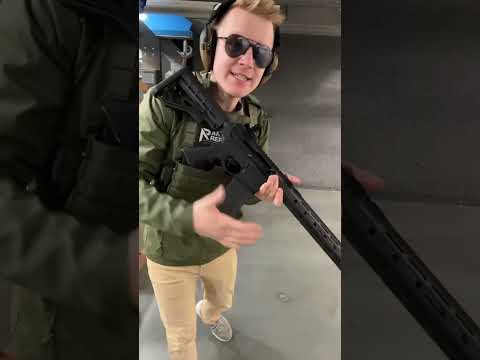
This video tests the effectiveness of a Level IV C2 MH ballistic vest and a Level IIIA Fast Cut helmet against rapid-fire 30-round bursts from a budget AR-15 at 75 feet. The results indicate a high probability of being hit in areas not covered by the vest, such as the abdomen and pelvis, when the shooter is not precisely aiming at the vest itself. The test highlights the importance of understanding coverage limitations of personal protective equipment.
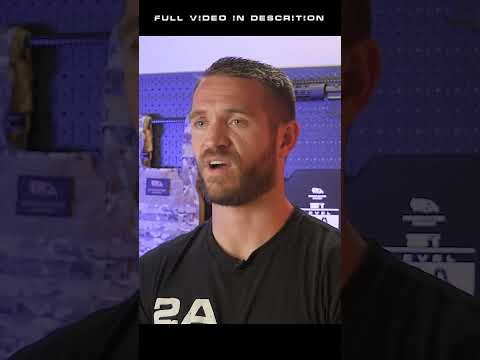
This video provides an expert overview of the new NIJ body armor standards, focusing on the differences between Level IV and the new Level III+ RF2 (GT) rating. It highlights the advantages of the lighter Level III+ RF2 for common threats encountered on the street, such as pistol-caliber carbines and short-barreled rifle rounds, while also discussing the continued relevance of Level IV for higher-threat scenarios. The video also briefly introduces a Level III ballistic helmet.
This video offers an in-depth review of the RTS Tactical Level IV Ceramic Plate Carrier, highlighting its perceived value and comfort. The reviewer details its impressive ballistic protection against a wide range of calibers, including .22LR up to .30-06 and 5.56 NATO variants. The video also features an AR-15 P415 Edge rifle chambered in 5.56/.223, shown in conjunction with the plate carrier. Links to related content and the reviewer's platforms are included.
This video emphasizes the critical need for body armor in home defense scenarios, particularly during SHTF (Shit Hits The Fan) situations. The presenter demonstrates how common building materials like plywood, cinder blocks, and even mild steel are easily penetrated by standard 9mm ammunition, highlighting that most homes offer concealment rather than true ballistic cover. The video introduces Premier Body Armor's Fortis line as an affordable option for effective ballistic protection.
This video explains the NIJ (National Institute of Justice) standards for body armor, focusing on what Level 3A protection entails. It aims to educate consumers about the different NIJ levels, including Level IIA, Level II, Level IIIA, Level III, and Level IV, as well as the commonly found Level III+. The description encourages viewers to check out Predator Armor's body armor lineup and emphasizes the importance of understanding these standards to make informed purchasing decisions for personal needs.
This YouTube video aims to educate viewers on how Level III body armor is rated, focusing on the NIJ Standards. It explains the importance of understanding these standards for consumers to make informed purchasing decisions. The video covers various NIJ levels, including Level IIA, II, IIIA, III, and IV, and also discusses the common Level III+ designation. Predator Armor's product line is also promoted.
This YouTube video aims to educate viewers on the National Institute of Justice (NIJ) standards, which are crucial for understanding the stopping capabilities of body armor. The description highlights the importance of these standards for consumers to make informed purchasing decisions. It specifically mentions discussions around different NIJ levels, including Level IIA, Level II, Level IIIA, Level III, and Level IV, as well as the commonly encountered Level III+ protection.
This video review focuses on the BulletSafe High Value Level IV Standalone Ballistic Plate, highlighting its performance with the promise of "Insane Results." The description indicates the use of affiliate links for potential product purchases and mentions that most items are sent to the channel for review. A discount code is provided for BulletSafe products.
This video provides a clear explanation of the National Institute of Justice (NIJ) body armor standards, clarifying the performance requirements for Levels IIIA, III, and IV. It details the specific ammunition types and velocities used in testing for each level, emphasizing that these are minimum performance requirements. The instructor also addresses common misunderstandings, such as the classification of M855 Green Tip rounds and the unofficial 'Level III Plus' designation.
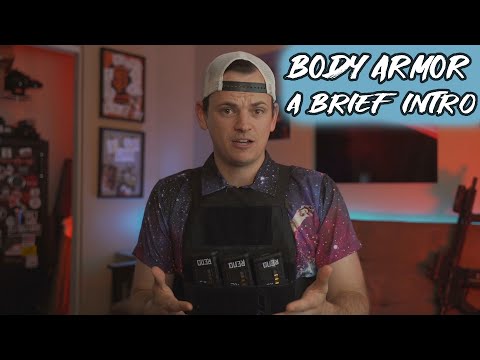
This video provides a comprehensive overview of body armor basics, focusing on helping viewers make informed decisions for their personal needs. It covers legal aspects, the importance of covering vital zones, understanding NIJ certifications versus testing, and differentiating between threat levels like Level IIIa, III+, and IV. The guide also delves into material types (steel, ceramic, poly-hybrid), plate shapes, curvature, weight considerations, and pricing, offering brand recommendations and warnings against unreliable options.
This video discusses the proposed ban on body armor by Chuck Schumer, emphasizing its role as a passive self-defense tool. It showcases various types of body armor, from tactical plate carriers to minimalist and discreet options like armored backpacks and the EPC. The presenters highlight the differences in protection levels (IIIA for pistols, IV for rifles) and the importance of understanding armor applications for civilians.
This video by Joel Persinger of Gun Guy TV explains the necessity of body armor for civilians, countering potential bans proposed by Senator Chuck Schumer. Persinger, drawing on his professional experience as a bail bondsman and security provider, details the protective capabilities of various armor types, from soft Level IIIa to hard Level IV plates, and advocates for their accessibility for personal defense, office environments, and school safety. He emphasizes that body armor is a crucial tool for self-defense in active shooter situations and against potential threats, especially when other protective measures are unavailable or insufficient.
Gun Laws by State
Read firearms regulations for all 50 states + D.C.
Find Gun Dealers
Search licensed FFL dealers near you.