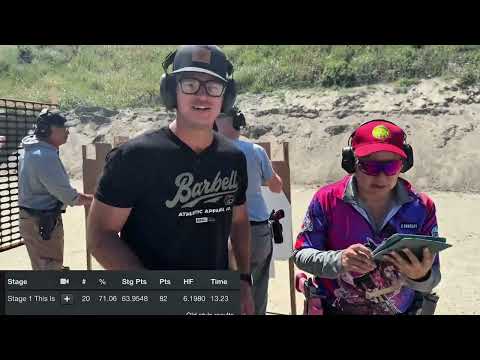
This video demonstrates a timed shooting drill focused on engaging a steel target as quickly as possible from approximately nine yards. The speaker, identified as experienced, highlights the difficulty of achieving sub-one-second times, even with a Glock pistol and an extended magazine. The drill emphasizes draw speed, accuracy, and consistent performance under pressure, with the Grab Bag Renegade small version being featured.
This guide details techniques for competitive shooting in USPSA matches, drawing from an experienced hobbyist's second match. It covers improving draw speed from concealment, aggressive movement between stages, shot confidence to avoid make-up shots, and proper grip/recoil management. The advice emphasizes learning from competition to identify and address weaknesses for overall performance enhancement.
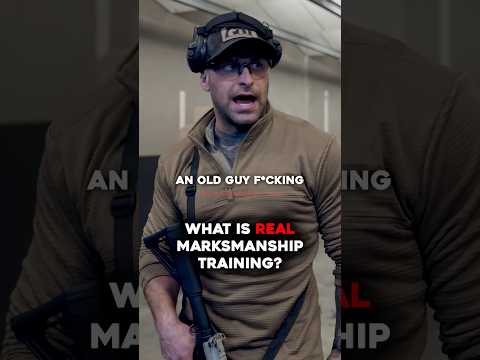
This video debunks the common misconception of what constitutes effective firearms training. Expert instruction from Achilles Heel Tactical highlights the critical difference between 'uncomfortable' training, which pushes limits for improvement, and 'uncontrolled' training, which is counterproductive. The focus is on making mistakes, understanding their causes, and actively correcting them to achieve genuine skill development.
Joel Park, a professional coach at PSTG, provides expert guidance on how to effectively analyze your own training videos. He emphasizes focusing on recurring trends and fundamental issues rather than isolated mistakes. By methodically reviewing footage and developing targeted drills, shooters can systematically improve their performance in practical shooting disciplines.
This video from Achilles Heel Tactical, featuring Rick, emphasizes a crucial mindset shift for shooters: failure is not a discredit but a vital stepping stone to success. By accepting, analyzing, and learning from mistakes, shooters can push their limits and achieve higher proficiency. The speaker, drawing parallels to professional mindsets seen in films and referencing Ernest Langdon, argues that the quality of one's mistakes is a better indicator of skill than the absence of errors.
This video addresses how competitive shooters can balance celebrating improvements with the need for continuous work. Instructor Joel Park suggests enjoying victories for a day or two before returning to focused training. He emphasizes identifying specific areas for improvement, such as marksmanship fundamentals or shooting while moving, and using detailed self-critique during practice, like dry fire drills, to drive further skill refinement.
Lucas Botkin, founder of T.REX ARMS, shares insights on embracing failure as a critical component of learning and growth. Drawing parallels from shooting, business, and popular culture, he advocates for a mindset that views mistakes not as endpoints, but as opportunities for analysis and improvement. This expert perspective emphasizes the importance of pushing limits to identify weaknesses and foster resilience.
This video features an in-depth discussion on mastering long-range shooting and competitive precision rifle series (PRS) with expert Justin Watts. Watts, a former military sniper and now a top instructor, emphasizes accountability and a structured training approach. He details his '80/20 rule' for practice, focusing 80% of effort on weaknesses and 20% on strengths, to systematically improve performance. The discussion also touches on his transition from military sniping to competitive shooting and his successful outfitting business, Thud Life Outdoors.
This guide, drawing from insights by DJ Shipley of GBRS Group, focuses on improving shooting performance by transitioning from a 'stop-and-go' method to a fluid, continuous motion. It emphasizes observing experienced shooters who 'melt and blend' into positions, highlighting the efficiency gained by integrating movement and shooting rather than stopping completely. The goal is to achieve a cleaner, more effective shooting performance.
This video emphasizes the critical role of implementing reliable systems for consistent success, particularly in contexts where personal ability alone is insufficient. It highlights how high performers overcome ego to establish and utilize these systems to maintain a necessary level of safety and performance. The core message is about structured approaches and process over individual brilliance for achieving dependable outcomes.
This video focuses on improving firearm shooting techniques by dissecting common cues like "Front Sight." The presenter, likely an instructor from TENICOR, aims to transform generic instructions into actionable advice that demonstrably enhances shooting performance. The content appears to be instructional, emphasizing practical application and effective learning for firearm users.
After a year of competition, the speaker emphasizes that acceptable accuracy standards are crucial, but speed often has diminishing returns. They highlight the importance of 'eyes lead shooting' for faster target transitions and the necessity of blending shooting and movement rather than treating them as sequential actions. The speaker also cautions that competition, while a valuable training tool, can develop 'training scars' if not approached with a measured understanding of its gamified elements.
Gun Laws by State
Read firearms regulations for all 50 states + D.C.
Find Gun Dealers
Search licensed FFL dealers near you.