This USCCA training video simulates a self-defense scenario in a parking garage, highlighting the rapid and disorienting nature of violent encounters. A combat veteran and USCCA member faces multiple threats, including a knife-wielding attacker. The video emphasizes the importance of preparedness, rapid threat assessment, and the psychological effects of stress, while also touching on the legal complexities of using deadly force and the potential for prosecution.
Instructor Mike introduces the SMASH (Shoot and Move Around Till Something Happens) system, emphasizing realistic target training. The system utilizes targets that fall after multiple hits, simulating the unpredictable nature of real-world engagements where the number of shots required to neutralize a threat is unknown. This method aims to train the shooter's brain to stop firing based on visual cues of the target falling, rather than external commands or shot counting, which are often absent or unheard under stress due to auditory exclusion and tunnel vision.
This entry details a critical combat incident experienced by former Navy SEAL Eddie Penney in Sadr City, Iraq. It highlights the dangers of mistaking environmental phenomena for enemy fire and the importance of rapid, trained responses to actual threats. The narrative emphasizes the psychological effects of combat, such as tunnel vision, and the effectiveness of insurgent early warning tactics.
This video explores the concept of tunnel vision in firearm training. It prompts instructors to consider how they actively induce this psychological state in students during training scenarios. The description questions whether students truly experience it when told to imagine it, emphasizing the instructor's role in manufacturing the condition for more realistic training outcomes. The provided hashtags indicate a focus on firearms, police training, and general training methodologies.
This video analyzes a nail shop robbery scenario, highlighting the critical impact of stress and tunnel vision during a violent encounter. The instructor emphasizes that individuals may not perceive threats or react as expected under duress, as demonstrated by a person unexpectedly rising and being shot. The analysis underscores the importance of situational awareness and avoiding heroic actions in such high-stress situations.
This video emphasizes the critical role of movement and scanning in firearm self-defense. Instructor Mike highlights how tunnel vision can be a dangerous pitfall and stresses the importance of consistent training to overcome it. The core message is that proactive movement and continuous environmental awareness are essential for effective self-defense.
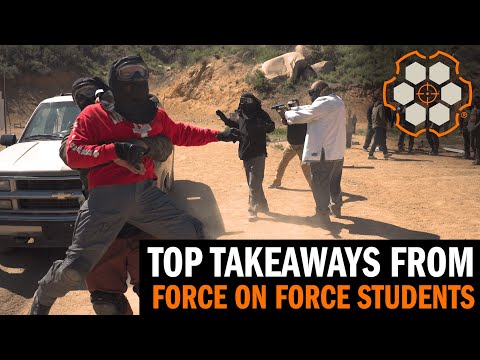
This video distills seven key takeaways from over 200 students participating in Tactical Hyve's force-on-force training. Key insights include the difficulty of acquiring sights under extreme stress, the inability to process information due to speed, the common reaction of freezing under pressure, the importance of understanding legal implications, the need for heightened awareness beyond a single threat, the challenges of drawing a firearm in a dynamic encounter, and the realization that self-defense extends beyond the act of shooting. The training emphasizes realistic civilian scenarios to build practical skills and mental resilience.
This video from Locs N Load Firearm Reviews provides an educational overview of the physiological effects of adrenaline and endorphins during a self-defense shooting. It details how these stress responses can impact manual dexterity, perception (tunnel vision, auditory exclusion, slow motion), memory, and potentially lead to false memories. The instructor emphasizes that these are natural survival reflexes and understanding them can help individuals manage their response during a high-stress event.
This video from Active Self Protection analyzes a critical incident where an off-duty Phoenix officer responded to a citizen holding shoplifters at gunpoint. The analysis, led by John Correia and Mike Willover, highlights the severe legal and tactical risks of private citizens intervening in property crimes with firearms, emphasizing the potential for misidentification and tragic outcomes when failing to comply with law enforcement commands. The segment also features the Mantis X10 shooting performance system for training.
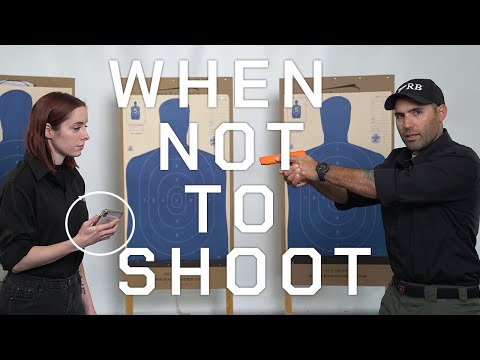
This video, featuring USCCA Senior Training Counselor Mike Willand, explores the critical decision-making process in a self-defense scenario. It delves into legal standards, pre-incident indicators, and the physiological effects of stress, emphasizing the importance of training and understanding self-defense laws across all states. The content highlights the emotional and legal aftermath of using a firearm and the protective services offered by USCCA.
This video from Tap Rack Bang, LLC, led by instructors Ernie and Carol Ann, details the critical 'Challenge Drill' and threat identification techniques for effective shoot/no-shoot decision-making. It emphasizes maintaining trigger finger discipline until a definitive decision to shoot is made, issuing clear commands, and the importance of sight selection (iron sights vs. optics) for accurate threat assessment in dynamic situations. The instruction highlights how tunnel vision and adrenaline can impair judgment, stressing the need for deliberate practice to build neural pathways for success.
This video highlights the MILO training system's immersive approach to firearms skill development. It emphasizes creating realistic stress scenarios to build muscle memory, reaction time, and accuracy. The system uses physiological monitoring and detailed debriefing to help trainees understand and overcome stress-induced phenomena like auditory exclusion and tunnel vision, fostering instantaneous learning and self-improvement.
Gun Laws by State
Read firearms regulations for all 50 states + D.C.
Find Gun Dealers
Search licensed FFL dealers near you.