20 Years in Prison for Inert and "Dummy" Parts - Amicus Brief Filed | Palmetto State Armory

Published on May 12, 2026
Duration: 2:33

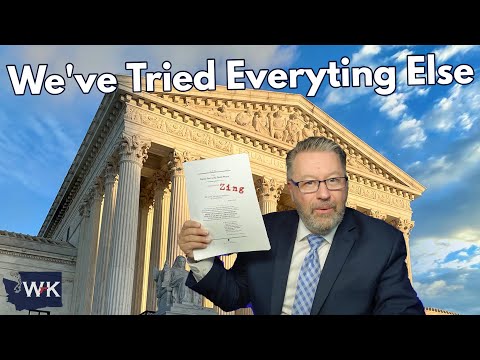
This video discusses the filing of an amicus brief by Palmetto State Armory, the National Association for Gun Rights, and the Right to Bear Association with the US Supreme Court in support of Patrick Tate Admiak. Admiak, a decorated Navy veteran with no prior criminal history, is serving 20 years in federal prison for possessing inert and 'dummy' firearm parts that government witnesses stated could not fire projectiles. The brief argues that the Fourth Circuit's dismissal of Admiak's Second Amendment claim was improper, failing to conduct historical analysis or require the government to prove its case, and that items incapable of firing projectiles are not 'dangerous and unusual' under Heller.

Quick Summary

Patrick Tate Admiak, a Navy veteran, is serving 20 years for possessing inert firearm parts that government witnesses stated could not fire projectiles. An amicus brief filed with the Supreme Court argues the Fourth Circuit improperly dismissed his Second Amendment claim without proper historical analysis.

Chapters

  1. 00:03Amicus Brief Filing
  2. 00:13Patrick Tate Admiak Case Overview
  3. 00:23Nature of the 'Inert' Parts
  4. 00:39Fourth Circuit's Dismissal
  5. 00:57Arguments for the Supreme Court
  6. 01:16Items Not Dangerous or Unusual
  7. 01:32Historical Context of Surplus Arms
  8. 01:51No Tradition of Criminalizing Inert Items
  9. 01:57Call for Supreme Court Action
  10. 02:01Palmetto State Armory's Commitment

Frequently Asked Questions

Why is Patrick Tate Admiak serving 20 years in federal prison?

Patrick Tate Admiak is serving 20 years in federal prison for possessing inert and 'dummy' firearm parts. These parts, according to government witnesses, could not fire projectiles and included cut-up components, separately stored grenade launcher parts, and tubes stamped 'inert' and 'dummy'.

What is an amicus brief and why was one filed in Admiak's case?

An amicus brief is a legal document filed by a 'friend of the court' to offer information or expertise. Palmetto State Armory, NAGR, and the Right to Bear Association filed one to support Patrick Tate Admiak's Second Amendment claim, arguing the Fourth Circuit improperly dismissed his case.

What legal precedent is being cited in the amicus brief?

The amicus brief references Supreme Court decisions in Heller v. DC, NYSRPA v. Bruen, and McDonald v. Chicago. These cases establish that Second Amendment claims require examination of conduct and historical analogues, not just citing prior rulings.

Are inert firearm parts considered 'dangerous and unusual' under Second Amendment law?

The argument presented is that items incapable of firing projectiles are not dangerous, and items commonly sold to collectors and reenactors are not unusual. The 'dangerous and unusual' standard from Heller is conjunctive, requiring both conditions to be met.

Related News

All News →

More 2nd Amendment & Law Videos You Might Like

More from Palmetto State Armory

View all →