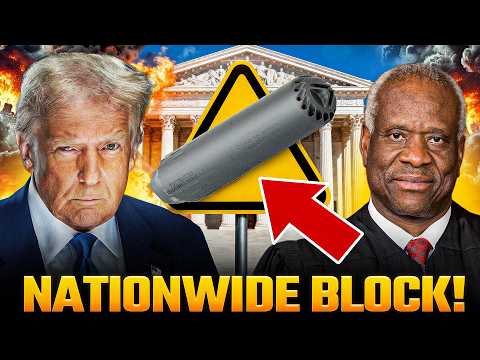
Bondi’s DOJ Just Declared War on Gun Owners. No Cap.

Published on December 27, 2025
Duration: 10:30

This video analyzes a filing by the DOJ in Silencer Shop Foundation v. ATF, arguing that the Department of Justice's actions contradict the pro-Second Amendment stance they publicly promote. The speaker highlights the DOJ's defense of the National Firearms Act (NFA) framework despite Congress zeroing out the NFA tax, suggesting a strategy to maintain gun control through broader regulatory power rather than taxation.

Quick Summary

The DOJ's legal brief in Silencer Shop Foundation v. ATF argues for the continued validity of the National Firearms Act (NFA) framework, even after Congress zeroed out the NFA tax. This stance is criticized for contradicting public pro-Second Amendment claims and potentially shifting justification for gun control from taxation to broader regulatory power.

Chapters

  1. 00:00Introduction: DOJ's Unexpected Move
  2. 00:38Early Pro-2A Expectations
  3. 01:14The 'One Big Beautiful Bill' and NFA Tax Repeal
  4. 02:05DOJ's First Red Flag: Defending the NFA
  5. 03:51The Mask Falls Off: DOJ's Legal Brief
  6. 05:33DOJ's Wild Claims About Firearms
  7. 07:04The Hypothesis: Public vs. Court Arguments
  8. 08:37Why This Could Backfire on the DOJ
  9. 09:58Conclusion: A Betrayal of Trust?

Frequently Asked Questions

What is the core argument against the DOJ's recent filing regarding the NFA?

The central argument is that the DOJ's defense of the National Firearms Act (NFA) framework in court contradicts their public pro-Second Amendment stance. Despite Congress eliminating the NFA tax, the DOJ is reportedly arguing for the continued validity of the NFA registry, suggesting a reliance on broader regulatory power over taxation.

How did the 'One Big Beautiful Bill' affect the NFA?

The 'One Big Beautiful Bill,' signed on July 4th, significantly altered the National Firearms Act (NFA) by reducing the $200 tax on items like short-barreled rifles, shotguns, and suppressors down to zero. This legislative change was expected by many to impact the legal justification for the NFA's registration requirements.

What is the significance of the Silencer Shop Foundation v. ATF case?

This case is significant because it directly challenges the NFA's legal standing after the tax was repealed. The plaintiffs argue that without a tax, the NFA registry functions as gun control rather than a revenue measure, potentially undermining its constitutional basis established in earlier court decisions.

What specific language did the DOJ use to describe firearms in their legal brief?

In their brief, the DOJ described short-barreled rifles as 'dangerous and easily concealable weapons likely to be used for crime.' Short-barreled shotguns were characterized as 'tools that cause devastating damage at short range.' This language is seen by critics as potentially enabling future gun control measures.

Related News

All News →

More 2nd Amendment & Law Videos You Might Like

More from Line45

View all →