BREAKING: Supreme Court Just Shook the Nation – Your Firearm Rights Could End Overnight?!

Published on August 21, 2025
Duration: 12:55

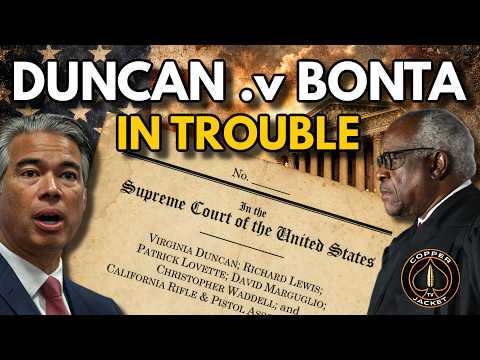
This video analyzes a Supreme Court decision regarding New York's firearm permit laws, specifically the "good moral character" requirement for rifles and shotguns. The court denied an emergency application to lift a stay, allowing the Second Circuit to dismiss the case as moot because the plaintiff eventually received a permit. This procedural maneuver prevents a merits-based ruling on whether discretionary licensing schemes violate the Second Amendment, as established in the Brewan decision. The analysis highlights the potential for such tactics to shield laws from constitutional review, leaving gun owners in legal uncertainty.

Quick Summary

The Supreme Court denied an emergency application concerning New York's firearm permit laws, allowing a lower court's dismissal based on 'mootness' to stand. This prevents a review of the "good moral character" requirement, which grants police discretionary authority, potentially shielding such laws from Second Amendment challenges and leaving gun owners in legal uncertainty.

Chapters

  1. 00:00Supreme Court Action on NY Firearm Laws
  2. 00:37Challenge to NYC Rifle and Shotgun Licensing
  3. 01:12District Court Ruling and Appeal
  4. 01:38Supreme Court Application and Denial
  5. 01:54Second Circuit Dismissal on Mootness
  6. 03:06Brewan Decision and Discretionary Schemes
  7. 03:34Practical Uncertainty for Citizens
  8. 04:24Understanding Mootness in Legal Disputes
  9. 05:15Critics' View: A Template for Dodging Review
  10. 05:41Defenders' View: Discretion is Indispensable
  11. 06:14Sidestepping the Core Constitutional Clash
  12. 07:15Incentives and Erosion of Trust
  13. 07:48The Importance of Emergency Stays
  14. 08:31National Implications of Local Tactics
  15. 09:05Supreme Court's Looming Role
  16. 09:39Broader Legal Dynamics
  17. 10:00Harsh Limbo for Fundamental Rights
  18. 10:16Practical Implications for Gun Owners
  19. 11:06Value of a Merits Ruling
  20. 11:18Next Steps and Shifting Landscape
  21. 11:39Understanding Rights Evolution
  22. 11:51Procedural Moves, Substantive Outcomes
  23. 12:21Awareness as a Safeguard

Frequently Asked Questions

What did the Supreme Court recently rule regarding New York firearm permit laws?

The Supreme Court denied an emergency application to lift a stay on New York's firearm permit laws. This decision allowed a lower court's dismissal of a case challenging the "good moral character" requirement to stand, preventing a review of the law's constitutionality.

How does the doctrine of 'mootness' affect firearm rights challenges?

Mootness can be used to dismiss a case if events during litigation resolve the core dispute, such as the plaintiff receiving a permit. This tactic can prevent courts from ruling on the merits of a law, effectively shielding discretionary licensing schemes from constitutional scrutiny.

What is the 'good moral character' requirement in New York's firearm licensing?

New York City's licensing scheme for rifles and shotguns includes a "good moral character" requirement, which gives the police department discretionary authority to decide who qualifies for a permit. Critics argue this subjective standard is unconstitutional.

Why is the Supreme Court's denial of the emergency application significant for gun owners?

The denial means the legal challenge to New York's discretionary licensing system was dismissed without a ruling on its constitutionality. This leaves gun owners in uncertainty about their rights and allows potentially unconstitutional practices to continue unchallenged.

Related News

All News →

More 2nd Amendment & Law Videos You Might Like

More from GUN NEWS

View all →