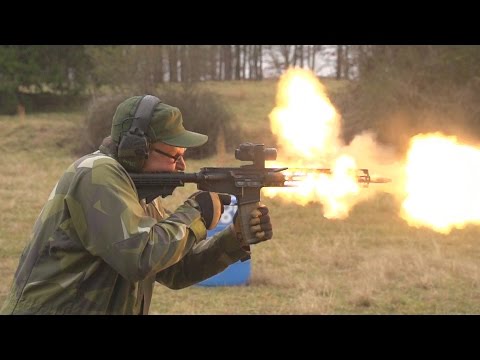
Gun Gripes #348: "Bumpstock Ban Overturned" with THE Michael Cargill

Published on February 2, 2023
Duration: 38:07

This video features Michael Cargill, who sued the ATF over the bump stock ban, discussing the legal battle and its implications for firearm regulations. The conversation highlights the Fifth Circuit's ruling in Cargill v. Garland, which found the ATF exceeded its authority by banning bump stocks via rulemaking rather than congressional legislation. The discussion emphasizes the importance of this case for challenging agency overreach and its potential to impact future regulations on firearm accessories like pistol braces.

Quick Summary

The Fifth Circuit Court ruled in Cargill v. Garland that the ATF cannot ban firearms accessories like bump stocks through rulemaking, especially when criminal penalties are involved. This decision challenges the agency's abuse of Chevron deference and sets a precedent that could impact future firearm regulations nationwide.

Frequently Asked Questions

What was the outcome of the Fifth Circuit Court's decision regarding the ATF's bump stock ban?

The Fifth Circuit Court ruled in favor of Michael Cargill, overturning the ATF's ban on bump stocks. The court determined that the ATF exceeded its authority by classifying bump stocks as machine guns through rulemaking, rather than through an act of Congress.

What is Chevron deference and why is it relevant to the bump stock ban case?

Chevron deference is a legal principle where courts defer to an agency's interpretation of a statute. In the bump stock case, the ATF relied on this deference to ban bump stocks. However, the Fifth Circuit found this application abusive, especially since the ban carried criminal penalties.

How does the Cargill v. Garland case potentially impact other firearm regulations?

The Cargill v. Garland ruling establishes that federal agencies like the ATF cannot create law through rulemaking, particularly when it involves criminal penalties. This precedent could be applied to challenge other ATF regulations, such as those concerning pistol braces or firearm accessories.

What are the implications of the ATF's enforcement actions against FFL dealers?

The ATF is reportedly revoking FFL licenses for minor paperwork errors, such as misclassifying a county as a country on a 4473 form. This practice is seen as an overreach aimed at shutting down small, independent gun stores across the country.

Related News

All News →

More 2nd Amendment & Law Videos You Might Like

More from Iraqveteran8888

View all →