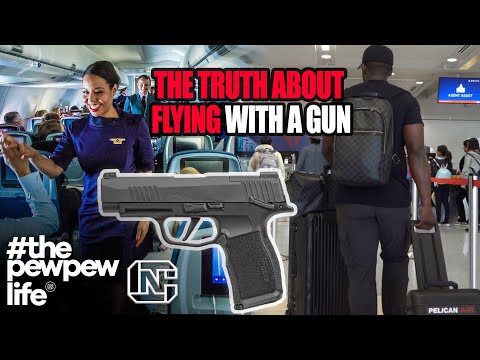
How To Fly With Your Gun

This guide outlines the essential steps and considerations for legally transporting firearms on commercial aircraft, drawing on the expertise of editors from Guns Magazine and American Handgunner. Key advice includes ensuring firearms are unloaded, using secure locked cases, declaring firearms to the airline, and avoiding TSA locks in favor of robust padlocks. The content emphasizes the importance of understanding both federal and specific airline regulations to ensure a smooth and legal travel experience.


Quick Summary

To fly with a firearm, ensure it's unloaded and locked in a hard-sided case, then declare it to the airline. Avoid TSA locks; use robust padlocks instead. Always check both federal regulations and the specific airline's policies before traveling.

Chapters

  1. 00:00Introduction & Holiday Wishes
  2. 00:54Topic: Flying With Your Guns
  3. 01:14Personal Travel Experience
  4. 01:30Retired Officer's Perspective
  5. 01:53Taking Defensive Handguns & Long Guns
  6. 02:06Allowing Extra Time & Knowing Rules
  7. 02:13The 'Squishy' Nature of Rules
  8. 02:37Understanding Airline-Specific Rules
  9. 02:49Southwest Airlines Example
  10. 02:58General Advice: Remain Calm & Smile
  11. 03:10The Second Amendment as a Permit
  12. 03:23Responsibility for Firearm Security
  13. 03:54Using Airline Website Protocols
  14. 04:07Confusion Over Fired Cases
  15. 04:27Ammunition Weight Limits
  16. 04:51TSA Rules Vary by Location
  17. 05:19Past Experiences: More Lax Environment
  18. 05:39Show and Tell Culture
  19. 05:45Familiarity at Local Airports
  20. 05:57Lack of Aggravation from Travelers
  21. 06:11Cluelessness vs. Aggravation
  22. 06:17Transporting Multiple Long Guns
  23. 06:31Demonstrating Unloaded Firearms
  24. 06:41International Travel Tip: Disguising Cases
  25. 07:27Conveyor Belt Theft Concerns
  26. 07:39Security of Expensive Cases
  27. 07:51DO NOT Use TSA Locks on Firearm Cases
  28. 08:05Final Safety Reminder: Check Carry-Ons

Frequently Asked Questions

What are the basic requirements for flying with a firearm?

You must ensure your firearm is unloaded and securely locked in a hard-sided case. You must declare the firearm to the airline at check-in. It's crucial to research and follow both federal regulations and the specific policies of the airline you are flying with.

Should I use TSA-approved locks on my firearm case when flying?

No, it is strongly advised not to use TSA-approved locks on firearm cases. The purpose of TSA locks is for TSA agents to open them, which compromises the security of your firearm. Use robust, non-TSA padlocks instead.

What should I do if I encounter confusion or resistance from airline staff about my firearm?

Remain calm, smile, and apologize for creating extra work. Have a copy of the airline's firearm transport policy (often available on their website) readily accessible to show them. Politely explain that you are adhering to their stated rules.

Can I transport empty brass casings on a plane?

Empty brass casings can sometimes cause confusion. While they are not ammunition, some airline personnel might perceive them as a former container for explosive gas. Be prepared to explain they are simply empty brass and not a hazard.

Related News

All News →

More 2nd Amendment & Law Videos You Might Like

More from GUNS and American Handgunner Magazines

View all →