Supreme Court 6-3 Decision Blocks Carry Permits & National Gun Control!!! (Responding To PBD)

Published on November 7, 2023
Duration: 30:25

This video analyzes the implications of the Bipartisan Safer Communities Act and proposed ATF rules, arguing that they infringe upon Second Amendment rights without effectively addressing mental health crises. The speaker critiques the concept of 'loopholes' and advocates for a strict interpretation of the Second Amendment, emphasizing historical context and due process. The discussion highlights concerns about national red flag laws and universal background checks potentially impacting law-abiding citizens.

Quick Summary

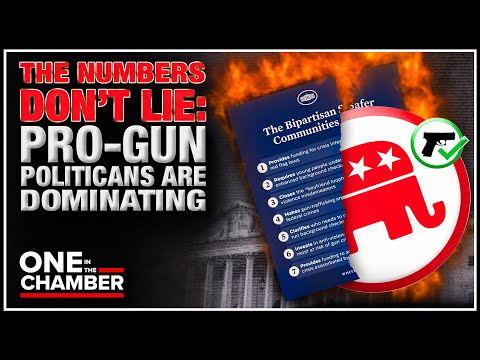
The Bipartisan Safer Communities Act incentivizes states to adopt red flag laws via federal funding, while the ATF proposes rules to potentially require background checks for private firearm sales. Critics argue these measures infringe on Second Amendment rights and due process, lacking historical justification as per the Bruin decision.

Chapters

  1. 00:00Introduction: Gun Advocates' Frustration
  2. 01:00Reacting to Patrick Bet David Podcast on Gun Control
  3. 02:01Maine Shooting and Media Response
  4. 03:20Mental Health vs. Gun Control Debate
  5. 04:31Critique of the Bipartisan Safer Communities Act
  6. 05:36The 'Boyfriend Loophole' and Red Flag Laws
  7. 06:23ATF's Role in Targeting Private Sales
  8. 07:22Proposed Assault Weapon Ban
  9. 08:04Whistleblower Law and Red Flag Effectiveness
  10. 09:00Advocating for National Red Flag Laws
  11. 10:43Second Amendment and Red Flag Law Analysis
  12. 11:15Historical Context of the Second Amendment
  13. 13:19Effectiveness of Red Flag Laws vs. Agency Failures
  14. 14:14Regulations That Don't Punish Law-Abiding Owners
  15. 15:13Critique of 'Pro-Second Amendment' Advocates for Gun Control
  16. 15:30Understanding the 'Gun Show Loophole'
  17. 17:43Constitutional Question: Private Party Transactions
  18. 19:35Common Sense Gun Laws vs. Fundamental Rights
  19. 20:32Vehicle Registration vs. Second Amendment Rights
  20. 22:15California's Firearm Precursor Part Law
  21. 23:15Government Incompetence and Limited Power
  22. 24:04Mental Health Crisis and Government Solutions
  23. 26:47Narrative Spin on Firearms Instructor Claims
  24. 29:06Inherent Issues with 'Pro-Second Amendment' Gun Control
  25. 30:05Conclusion and Call to Action

Frequently Asked Questions

What is the Bipartisan Safer Communities Act and its impact on gun laws?

The Bipartisan Safer Communities Act, passed after the Uvalde incident, incentivizes states to implement more aggressive red flag laws through federal funding. It also aimed to close the 'boyfriend loophole' and adjust language concerning firearm dealers, which the ATF is using to propose rules impacting private sales.

How do red flag laws potentially violate due process?

Red flag laws, like California's Extreme Risk Protection Orders, can be enacted ex parte, meaning without the subject's knowledge or opportunity to be heard. This raises concerns about due process rights and the potential for unwarranted confiscation of firearms based on accusations.

What is the 'gun show loophole' and how is it being addressed?

The 'gun show loophole' typically refers to private party firearm sales where federal law does not mandate background checks. The ATF has proposed a new rule, influenced by the Bipartisan Safer Communities Act, to potentially classify more private transactions as 'dealing firearms,' thus requiring background checks.

What is the legal basis for challenging firearm restrictions like red flag laws?

Challenges to firearm restrictions often rely on the Second Amendment and the Supreme Court's Bruin decision, which requires that such laws have historical analogues dating back to 1791. The argument is that modern restrictions, especially those enacted ex parte, lack such historical justification.

Related News

All News →

More 2nd Amendment & Law Videos You Might Like

More from Armed Scholar

View all →