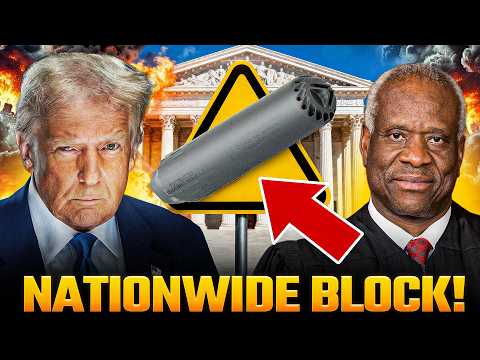
The ATF Is In Deep Trouble? (New Supreme Court Case)

Published on August 7, 2023
Duration: 11:34

This video, featuring an authoritative speaker with deep expertise in firearms law and policy, explains the critical legal doctrine of Chevron Deference and its potential overturning by the Supreme Court in Loper Bright Enterprises v. Raimondo. The speaker details how this ruling could significantly curtail the power of executive agencies like the ATF, returning rule-making authority to Congress and potentially safeguarding Second Amendment rights from agency-created regulations.

Quick Summary

The Supreme Court case Loper Bright Enterprises v. Raimondo could overturn Chevron Deference, a legal doctrine allowing federal agencies like the ATF to interpret ambiguous laws. This would shift rule-making power back to Congress, making elected officials accountable for restrictions on individual liberty and potentially impacting Second Amendment rights.

Chapters

  1. 00:00Introduction to Chevron Deference
  2. 00:13Supreme Court to Reconsider Federal Power
  3. 00:41Impact on ATF and Agencies
  4. 01:02Laws and Individual Liberty
  5. 02:07Rule-making Authority and Bargaining
  6. 03:51Chevron v. Natural Defense Resources Council
  7. 05:11Problem with Unelected Bureaucrats
  8. 06:29USCCA Giveaway Promotion
  9. 06:48Loper Bright Enterprises v. Raimondo
  10. 07:33Broader Implications of Overturning Chevron
  11. 10:00Impact on Second Amendment Rights
  12. 11:01Conclusion and Contact Information

Frequently Asked Questions

What is Chevron Deference and why is it important for federal agencies like the ATF?

Chevron Deference is a legal doctrine requiring courts to defer to federal agencies' reasonable interpretations of ambiguous laws. This has allowed agencies like the ATF to create rules and regulations that significantly impact citizens, even if not explicitly detailed by Congress.

How could the Supreme Court case Loper Bright Enterprises v. Raimondo affect the ATF?

If the Supreme Court overturns Chevron Deference in Loper Bright Enterprises v. Raimondo, it would severely limit the ATF's ability to create its own rules. Rule-making power would return to Congress, making elected officials accountable for restrictive legislation.

What are the broader implications of overturning Chevron Deference beyond firearms?

Overturning Chevron Deference would impact nearly all executive regulatory agencies, not just the ATF. It would force politicians to take direct responsibility for laws restricting individual liberty, potentially aligning with the framers' original vision of government.

What specific ATF rules are mentioned as examples of agency overreach?

The video specifically mentions the ATF's frame and receiver rule and the pistol brace rule as examples of regulations created by unelected bureaucrats under the Chevron Deference doctrine, rather than through direct legislative action by Congress.

Related News

All News →

More 2nd Amendment & Law Videos You Might Like

More from USCCA

View all →