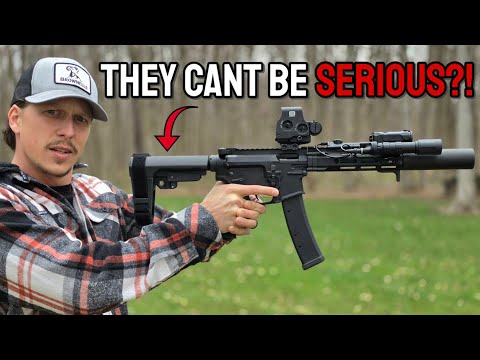
The Truth About The ATF Pistol Braces Letter

Published on December 18, 2020
Duration: 8:03

This guide explains the ATF's stance on classifying firearms with pistol stabilizing braces as Short Barreled Rifles (SBRs). It details the National Firearms Act (NFA) requirements for SBRs, including taxes and wait times. The content critically examines the ATF's subjective criteria for classification, emphasizing the historical context of braces and their role in firearm accessibility for individuals with disabilities and for self-defense. It also includes a call to action for public comment on the proposed ATF guidelines.

Quick Summary

The ATF's proposed guidelines aim to classify firearms with pistol stabilizing braces as Short Barreled Rifles (SBRs), requiring NFA registration, a $200 tax, and a 4-6 month wait. These braces, initially designed for disabled shooters, are now under scrutiny for potentially functioning as shoulder stocks, a move critics argue is based on subjective criteria and misdirected regulatory focus.

Chapters

  1. 00:00ATF Pistol Brace Letter Introduction
  2. 00:17NFA & Short Barreled Rifles
  3. 00:44Purpose and History of Stabilizing Braces
  4. 01:14Public Adoption and ATF Shift
  5. 01:32ATF's New Proposed Guidelines
  6. 02:00Critique of Subjective Criteria
  7. 02:47Brace Design and Accessibility
  8. 03:53Misplaced Regulatory Priorities
  9. 04:24Subjectivity of ATF's Factors
  10. 05:43ATF's Ignoring Law's Intent
  11. 06:16Call to Action: Submit Comments
  12. 06:55Defiance Against Gun Control & Merchandise

Frequently Asked Questions

What is the ATF's main concern regarding pistol stabilizing braces?

The ATF is concerned that pistol stabilizing braces, due to their design and potential use, may function as shoulder stocks, thereby classifying firearms equipped with them as Short Barreled Rifles (SBRs) under the National Firearms Act (NFA).

What are the requirements for owning a Short Barreled Rifle (SBR) in the United States?

Owning an SBR requires registration with the ATF, payment of a $200 tax stamp, and a waiting period typically ranging from 4 to 6 months for approval.

Why were pistol stabilizing braces originally developed?

Pistol stabilizing braces were initially designed by individuals like Alex Bosco of SB Tactical to assist people with disabilities in shooting firearms, particularly AR-style pistols, more effectively and comfortably with one hand.

What action can citizens take regarding the ATF's proposed pistol brace guidelines?

Citizens have a limited 14-day window to submit public comments to the ATF regarding the proposed guidelines. It is advised to provide factual and respectful input on how these regulations impact firearm accessibility and self-defense rights.

Related News

All News →

More 2nd Amendment & Law Videos You Might Like

More from Colion Noir

View all →