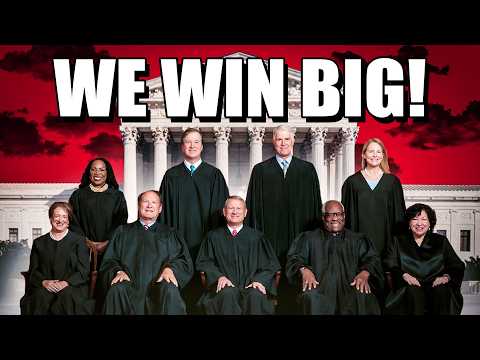
Will the Bruen decision be ignored?.. What happens if a state ignores a SCOTUS order?…

Published on July 3, 2022
Duration: 6:01

This video analyzes the implications of states potentially ignoring Supreme Court rulings, specifically referencing the Bruen decision. It explains the historical concept of nullification, its unconstitutionality, and the legal ramifications states would face if they attempt to circumvent federal law or court orders, primarily through costly civil litigation. The expert instructor highlights that while direct enforcement like sending troops is unlikely, financial penalties through lawsuits are the probable consequence.

Quick Summary

States ignoring Supreme Court rulings like the Bruen decision face significant legal challenges. The historical concept of nullification is unconstitutional. Instead, states risk costly civil rights lawsuits, where courts rule in favor of plaintiffs, forcing states to pay attorneys' fees and damages, making defiance financially prohibitive.

Chapters

  1. 00:13Bruen Decision & State Compliance
  2. 00:27Channel Milestone
  3. 00:55Legal Disclaimer
  4. 01:30States Ignoring Supreme Court
  5. 01:45Nullification Explained
  6. 02:01History of Nullification
  7. 02:31Conflict with Federal Gun Laws
  8. 02:40Circumventing Bruen
  9. 02:52Gun Licenses & 2nd Amendment
  10. 03:22Executive vs. Legislative Response
  11. 03:37Enforcement & Litigation Costs
  12. 03:57Paths for States & Future Battles

Frequently Asked Questions

What happens if a state ignores a Supreme Court ruling like the Bruen decision?

If a state ignores a Supreme Court ruling, it typically faces civil rights lawsuits. Plaintiffs can sue, and courts will likely rule in their favor, potentially forcing the state to pay attorneys' fees and damages, making defiance financially costly and legally untenable.

Is nullification a constitutional way for states to ignore federal laws or court orders?

No, nullification is not constitutional. It's a historical idea that states can invalidate federal laws or court orders, but it has been consistently rejected by the U.S. legal system. Attempts to use it, like in the 1950s regarding school integration, did not succeed.

How are Supreme Court rulings typically enforced if states refuse to comply?

While direct federal enforcement like sending troops is rare, the primary mechanism is through civil litigation. Individuals affected by a state's non-compliance can sue, leading to court orders and financial penalties for the state, which often exhausts their resources.

What are the potential consequences for states that pass laws conflicting with the Bruen decision?

States passing laws that conflict with the Bruen decision, such as those infringing on the right to carry firearms, risk facing civil rights lawsuits. These legal battles can be lengthy and expensive, potentially leading to significant financial settlements and attorneys' fees paid by the state.

Related News

All News →

More 2nd Amendment & Law Videos You Might Like

More from Langley Outdoors Academy

View all →