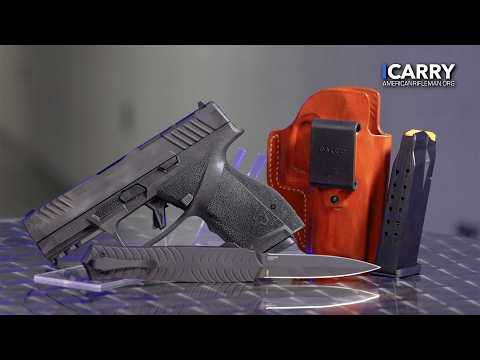
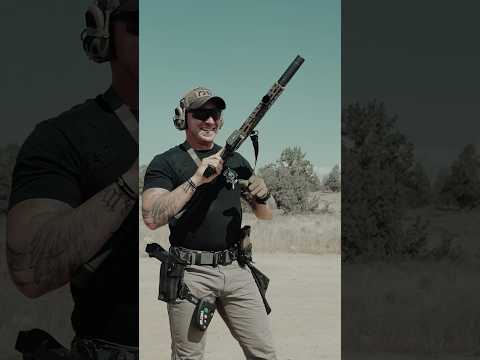
The Principles of EDC - Table Talk

Published on October 24, 2024
Duration: 37:11

David Aosta of Achilles Heel Tactical discusses the principles of Everyday Carry (EDC), emphasizing that 'software precedes hardware.' He details the importance of selecting appropriate clothing, belts, holsters, and firearms, advocating for a balanced approach with compact pistols and red dot sights. The discussion extends to essential accessories like blades, medical gear, lights, and communication devices, stressing that consistent training with your EDC setup is crucial for proficiency and gear validation.

Quick Summary

For Everyday Carry (EDC), prioritize clothing that offers protection, concealment, and mobility, opting for slightly baggier fits. A rigid belt, like a ratcheting system, is essential for supporting gear. Compact pistols with red dot sights and backup irons offer a balance of capability and concealability. Always train with your EDC setup to ensure proficiency and validate gear choices.

Chapters

  1. 00:15Introduction to EDC Principles
  2. 01:08Clothing Considerations for EDC
  3. 04:03Baggier Clothing and Base Layers
  4. 04:53Concealing Body Armor
  5. 05:42Importance of EDC Belts
  6. 06:19Belt System Examples (Tenicor, Agonic)
  7. 07:24Ratcheting Belt Systems (Blackbeard)
  8. 08:19Overall Preparedness and Tool Selection
  9. 09:08Pistol Selection: Micro vs. Full Size
  10. 10:03The Compact Pistol Compromise
  11. 10:37Holster Importance and Features
  12. 10:56Blackpoint Tactical Holster Review
  13. 11:30Holster Modularity and Retention
  14. 12:15Modern Pistol Optics (Red Dots)
  15. 12:20Open vs. Closed Emitter Optics
  16. 13:32Backup Iron Sights
  17. 13:49Weapon-Mounted Lights
  18. 14:40Micro Pistols and Concealability
  19. 15:10Pistol Magazine Capacity
  20. 15:21EDC Carrying Positions (3:00 vs. Appendix)
  21. 16:29Spare Magazine Considerations
  22. 17:06EDC Ammunition Types
  23. 17:35Blades as Augmenting Tools
  24. 18:33Primary Defensive Blade
  25. 19:31Blade Design Considerations
  26. 21:16Wound Channel Considerations
  27. 22:12Secondary Utilitarian Blades
  28. 23:46Medical Gear: Tourniquets
  29. 24:07Tourniquet Types (RapidStop, SnakeStaf)
  30. 25:21EDC Flashlights
  31. 25:24Surefire Stiletto Flashlight
  32. 26:34Streamlight Macrostream USB
  33. 28:19Communication and Identification
  34. 29:35Smartphone as Primary Tool
  35. 30:40Pouches and Containers for EDC
  36. 31:07Custom EDC Pouch Design
  37. 34:06Training: Software vs. Hardware
  38. 35:00Training Loadout Consistency
  39. 36:34Conclusion: Investing in Quality Gear and Training

Frequently Asked Questions

What are the key principles for selecting EDC clothing?

EDC clothing should prioritize protection from elements, camouflage, and mobility. Opt for slightly baggier fits to aid concealment and consider base layers to manage moisture and prevent gear irritation. Avoid overly branded or attention-grabbing attire that might make you a target.

What makes a good EDC belt?

A good EDC belt acts as the chassis for your gear, providing the necessary rigidity to hold holsters and pouches securely without sliding. Ratcheting systems are often preferred for their ease of adjustment and quick on/off capability, especially for those who need to transition between covert and overt profiles.

What is the recommended pistol size for EDC?

For EDC, a compact pistol is often recommended as it strikes a balance between concealability and capability. It allows for a full grip, is easier to conceal than a full-size pistol, and is generally more shootable than sub-compact or micro-compact options.

Why are red dot sights important for EDC pistols?

Red dot sights on EDC pistols significantly enhance target acquisition speed and accuracy, especially in dynamic situations. Open emitter designs are often preferred for concealed carry due to their larger sight window, making it easier to pick up the dot quickly.

What is the importance of training with your EDC gear?

Training with your EDC gear is crucial because 'software precedes hardware.' Consistent training ensures you are proficient with your chosen tools, validates gear placement and comfort, and helps identify potential issues before they arise in a real-world scenario. Your training loadout should mirror your EDC.

Related News

All News →

More EDC & Lifestyle Videos You Might Like

More from Achilles Heel Tactical

View all →