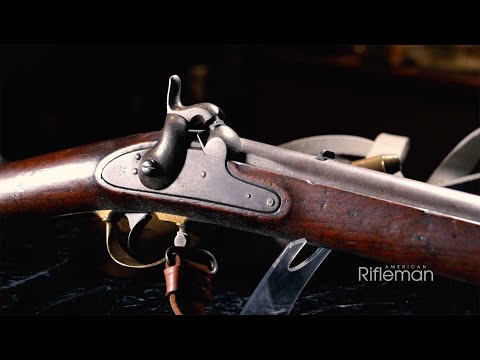
Battle Road & The British Retreat: 250 Years Later

Published on April 19, 2025
Duration: 10:17

This video explores the firearms used by American militia and British regulars during the Battles of Lexington and Concord, 250 years later. It highlights that militia primarily used "fowling pieces," which were long-barreled hunting guns, often with English forms but French-style butts and parts. The loading process for muskets, both British and American, is detailed, emphasizing the speed and technique required. The video also discusses the archaeological findings that support the prevalence of smaller bore fowling pieces among the militia and examines Captain John Parker's fowling piece, noting its bore size and historical modifications.

Quick Summary

American militia during the Revolutionary War primarily used fowling pieces, which were long-barreled hunting guns. These firearms often featured English-style construction with French-inspired butts and parts. Loading involved a multi-step process with paper cartridges, allowing for about three shots per minute, and typical bores ranged from .62 to .64 caliber.

Chapters

  1. 00:10Introduction: Battle Road 250 Years Later
  2. 00:54Militia Firearms: Fowling Pieces Explained
  3. 02:41Musket Loading Procedure
  4. 03:40Fowling Piece Bore Sizes and Ammunition
  5. 05:10British Tactics: Light Infantry and Flankers
  6. 06:22Lexington's Stand: Reverend Clark and Captain Parker
  7. 06:54Parker's Revenge: The Heights of Battle Road
  8. 08:40Captain John Parker's Fowling Piece

Frequently Asked Questions

What were the primary firearms used by American militia during the Revolutionary War?

The primary firearms used by American militia and Minutemen, particularly on April 19, 1775, were fowling pieces. These were long-barreled hunting guns, often built in the English style but incorporating French-inspired design elements in their butts and parts.

How were muskets loaded during the American Revolution?

Musket loading involved withdrawing a paper cartridge, biting off the end, priming the pan, closing the steel, returning the musket to the shoulder, pouring powder, and then pushing the cartridge paper and ball down the barrel. This process allowed for approximately three shots per minute.

What was the typical bore size of colonial militia fowling pieces?

Fowling pieces used by the militia generally had smaller bores, commonly ranging from .62 to .64 caliber. Some were recorded as small as .50 caliber, leading to a variety of ammunition sizes being fired.

What is 'Parker's Revenge' in the context of the American Revolution?

Parker's Revenge refers to a firefight that occurred on the afternoon of April 19, 1775, near Lexington, Massachusetts. Captain John Parker and his militia company engaged British light infantry on the heights along Battle Road as the British retreated from Concord.

Related News

All News →

More General Videos You Might Like

More from NRApubs

View all →