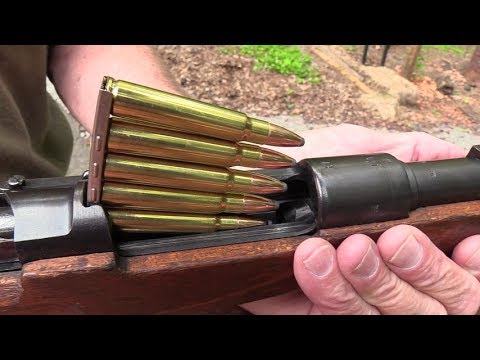
FAQ Video # 89 Hot Ammo?

Published on May 1, 2020
Duration: 2:07

This video from hickok45 clarifies the common firearms term 'hot ammo.' He explains that 'hot' refers to higher velocity and pressure, not physical temperature, using examples like 9mm +P defensive rounds compared to standard range ammo, and specialized 45-70 Government loads for vintage firearms versus modern ones. The explanation is delivered with his characteristic humor and expertise.

Quick Summary

'Hot ammo' in firearms refers to cartridges loaded with higher propellant charges, resulting in increased muzzle velocity and pressure, not physical temperature. Examples include 9mm +P defensive rounds and hotter 45-70 Government loads compared to vintage-safe versions.

Chapters

  1. 00:00Introduction to 'Hot Ammo'
  2. 00:21Temperature Misconception Explained
  3. 00:3645-70 Caliber Comparison
  4. 01:099mm Caliber Comparison
  5. 01:41Summary of Terminology

Frequently Asked Questions

What does 'hot ammo' mean in firearms terminology?

'Hot ammo' refers to ammunition loaded with a higher propellant charge, resulting in increased muzzle velocity and pressure. It does not refer to the physical temperature of the cartridge itself, but rather its ballistic performance and power.

How does 9mm +P defensive ammo differ from standard 9mm range ammo?

9mm +P defensive ammunition is considered 'hotter' because it is loaded to higher pressure and velocity limits than standard 9mm rounds. This typically enhances its terminal ballistics for self-defense applications.

Is it safe to use any 45-70 Government ammunition in older rifles like the Trapdoor Springfield?

No, it is not always safe. Specialized, lower-velocity 45-70 Government rounds are designed for vintage firearms like the Trapdoor Springfield to prevent damage or injury, as modern high-pressure loads can be dangerous in these older actions.

Does 'hot ammo' mean the bullets are physically hot to the touch?

No, 'hot ammo' is a colloquial term referring to the ballistic performance of the cartridge, specifically its higher velocity and pressure. It has nothing to do with the physical temperature of the ammunition.

Related News

All News →

More General Videos You Might Like

More from hickok45

View all →