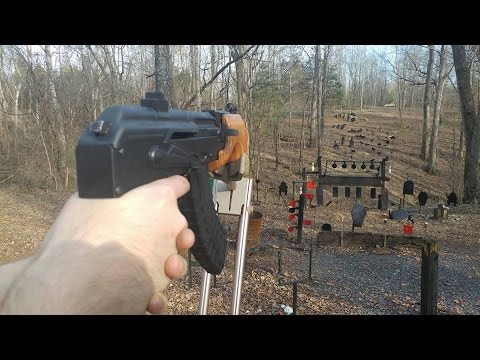
GCR #27 Hickok45 and Derrick

Published on April 29, 2015
Duration: 101:26

This episode of Gun Culture Radio features a discussion on various firearms topics, including the historical significance of the 1911 pistol, the controversial slam-fire capability of early pump-action shotguns like the Winchester Model 97 and Ithaca Model 37, and their use in World War I. The conversation touches upon the effectiveness of different calibers, the debate around modern polymer pistols versus classic designs, and the complexities of self-defense scenarios, including active shooter situations. The hosts also delve into the societal aspects of gun ownership, the impact of media on public perception, and the importance of responsible firearm handling and education.

Quick Summary

The 1911 pistol remains relevant due to its thin profile, making it one of the thinnest .45 ACP handguns available. Its ergonomic design and the availability of a manual thumb safety are also key factors appreciated by many shooters, despite the rise of modern polymer pistols.

Chapters

  1. 00:00Introduction and SDI Sponsorship
  2. 00:33Discussion on 1911s and Historical Context
  3. 01:13The Inhumane Nature of Shotguns in WWI
  4. 02:40Winchester Model 97 and Slam Firing
  5. 04:08Stories of Marksmanship and Alvin York
  6. 05:08Glocks vs. Traditional Firearms
  7. 06:06Appreciating Different Firearm Designs
  8. 07:361911 vs. Polymer Handguns: Thinness and Ergonomics
  9. 08:54Capacity vs. Caliber Debate
  10. 10:10High-Stress Situations and Ammunition Needs
  11. 11:01Capacity and Concealed Carry Convenience
  12. 11:411911 Magazines and Smartphone Damage
  13. 11:57Transitional Periods in History
  14. 14:11Wyatt Earp's Influence and Movie Portrayals
  15. 15:08Wyatt Earp's Use of Force and Myths
  16. 17:16M16 A2 vs. M4 Carbine Discussion
  17. 18:45AR-15s and Long-Range Accuracy vs. Practical Engagement
  18. 19:56Reaction Shooting and Shooting Under Duress
  19. 20:05Secondary Weapons and Edged Weapons
  20. 20:07Chief Gates on Concealed Carry and Weapon Accessibility
  21. 20:32Complicated Self-Defense Scenarios
  22. 21:26Legal and Ethical Considerations in Self-Defense
  23. 21:31Active Shooter Situations: Immediate Engagement
  24. 23:23Debate on Carrying Guns in Public Places
  25. 24:21Active Shooters and Media Attention
  26. 24:49Gun-Friendly States and Concealed Carry Prevalence
  27. 25:26Motivations of Active Shooters
  28. 26:03Media Exposure and Copycat Shootings
  29. 26:37Confrontation by Concealed Carry Holder in Oregon Mall
  30. 27:00Media Coverage of Averted Crimes
  31. 27:13CDC Statistics on Averted Crimes
  32. 27:36John Lott's Research on Guns and Crime
  33. 28:13Criminals vs. Citizens with Guns in Urban Areas
  34. 28:52Gun Control Laws in Chicago and Washington D.C.
  35. 29:15Legal Responsibility for Self-Protection
  36. 30:07The Hijacking of Scientific Issues by Politics
  37. 31:30Blaming Objects vs. Circumstances
  38. 32:09Addressing Root Causes of Violence vs. Gun Bans
  39. 33:13Poverty, Inequality, and Violence
  40. 33:22Iceberg Analogy for Societal Problems
  41. 33:51Gun Bans in Great Britain and Knife Violence
  42. 34:30Saving Lives: Helmets vs. Gun Bans
  43. 34:47Food and Smoking as Causes of Death
  44. 35:33Balanced Exposure to Legal vs. Illegal Items
  45. 36:28Childhood Exposure to Firearms in the South
  46. 37:13Responsibility of Firearm Ownership
  47. 37:26Hank from NC Silencer Story
  48. 38:18Super Mario Bros. Movie and Gun Portrayal
  49. 39:15Cultural Background and Firearm Perception
  50. 39:31Legally Outnumbering Criminals
  51. 39:41Personal Experience with Home Burglary and Firearm Ownership
  52. 40:23Growth of Firearm Ownership and Carry Permits
  53. 41:10Positive Exposure to Firearms Through Family
  54. 41:48ER Nurse's Negative Experience with Guns
  55. 42:39Unbalanced Perspectives from Negative Exposure
  56. 44:09Tractor Accident and Skewed Perspective
  57. 44:55Bans Increasing AR-15 Popularity
  58. 45:33Dogs for Home Defense: Warning System
  59. 46:26Unpredictable Nature of Animals
  60. 47:57Professional Thieves and Dog Distraction
  61. 49:12Mike Tyson and His Tiger
  62. 50:48Wild Animals in Rural Areas: Savage
  63. 51:57Unpredictable Animals and Liability
  64. 53:13Vicious Dog Breeds and Legal Consequences
  65. 54:20Chimpanzee Attack Incident
  66. 55:17Encounter with a Primate in East Africa
  67. 57:05Man-Eating Lions of Tsavo
  68. 58:50Gary Larson's The Far Side Comics
  69. 60:10The Simpsons and Subtle Humor
  70. 61:25Firefly Series: Realistic Sci-Fi
  71. 62:29Future Firearms in Sci-Fi
  72. 62:23Realistic Spaceship Design in Firefly
  73. 63:22Smart Gun Technology Discussion
  74. 64:15Criminals Avoiding Smart Guns

Frequently Asked Questions

What is the 'slam-fire' capability of early pump-action shotguns?

The 'slam-fire' capability, found in shotguns like the Winchester Model 97 and some Ithaca Model 37s, allowed continuous firing by holding the trigger down and simply working the action. This made them devastatingly effective in close-quarters combat, such as WWI trenches, but also led to them being considered inhumane by some.

Why is the 1911 pistol still considered relevant today?

Despite the prevalence of modern polymer pistols, the 1911 remains relevant due to its exceptionally thin profile, making it one of the thinnest .45 ACP handguns available. Its ergonomic design and the availability of a manual thumb safety are also key factors appreciated by many shooters.

How does the presence of armed citizens impact active shooter events?

The presence of armed citizens can deter active shooters. In many cases, when confronted by armed individuals, perpetrators either surrender, attempt suicide, or flee. Media coverage often overlooks these instances where armed citizens have averted potential mass casualties.

What are the main arguments against relying solely on dogs for home defense?

While dogs can provide an early warning system, relying on them solely for home defense is risky. Animals are unpredictable, can be easily distracted or neutralized by intruders, and cannot make complex human decisions. Furthermore, owning highly aggressive breeds for defense carries significant legal liability.

What is the significance of the 'Gun Culture Radio' discussion on media portrayal of firearms?

The discussion highlights how media often focuses on negative firearm incidents, neglecting instances where armed citizens have prevented crimes. This selective reporting can create an unbalanced public perception, leading to a lack of understanding for responsible gun owners and the positive role firearms can play in self-defense.

Related News

All News →

More General Videos You Might Like

More from John Hickok

View all →