What Happened with the M16 in Vietnam?

Published on June 6, 2018
Duration: 55:41

This expert-level entry details the M16's troubled introduction in Vietnam, debunking myths of inherent design flaws. It highlights how political decisions, procurement issues, and ammunition choices, rather than the core design by Eugene Stoner, led to early reliability problems. The entry emphasizes the mechanical evolution from the AR-15 to the M16A1 and the critical role of chrome lining, proper maintenance, and correct ammunition in establishing the platform's eventual success.

Quick Summary

The M16's initial reliability issues in Vietnam were primarily caused by political and procurement decisions, not inherent design flaws. Factors like the Army's choice of ball powder, which increased the cyclic rate, and the omission of chrome lining in barrels and chambers led to malfunctions. These problems were largely resolved with the M16A1 through improvements like chrome lining, proper maintenance, and optimized ammunition.

Chapters

  1. 00:00Historical Context and Perceptions
  2. 03:06Adoption Politics and the M14
  3. 09:22Technical Features of the Model 01
  4. 12:57The Chrome Lining and Twist Rate
  5. 16:43XM16E1 and the Forward Assist
  6. 20:09The Ammunition and Powder Scandal
  7. 24:52Maintenance Myths and Legacy

Frequently Asked Questions

What were the primary reasons for the M16's initial reliability issues in Vietnam?

The M16's early problems stemmed from a combination of factors including the Army's procurement decisions, the use of ball powder which increased the cyclic rate, and the initial omission of chrome lining in the chambers and bores, leading to corrosion and extraction failures.

How did ammunition choices affect the M16's performance?

The switch from IMR powder to ball powder significantly increased the rifle's cyclic rate, causing timing issues and parts breakage. Additionally, early ammunition stabilization was not optimized for the M16's twist rate, especially with tracer rounds.

What mechanical improvements were made to the M16 to enhance reliability?

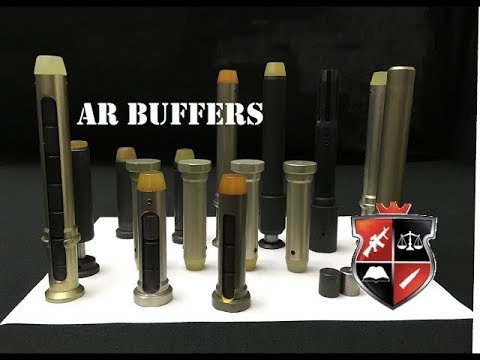
Key improvements included chrome-lining the bore and chamber to prevent corrosion and sticking cases, standardizing on 7075 T6 aluminum receivers for better durability, and implementing a weighted buffer to reduce bolt carrier bounce and ensure proper cycling.

Was the M16 inherently a flawed design for Vietnam?

No, the core design by Eugene Stoner was sound. The issues were largely due to political interference, procurement shortcuts (like omitting chrome lining), and ammunition choices made by the Army, rather than fundamental design flaws.

Related News

All News →

More General Videos You Might Like

More from SmallArmsSolutions

View all →