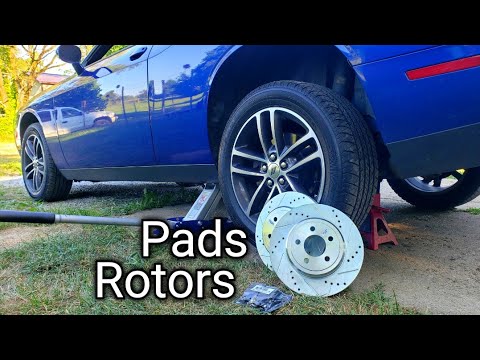
2011-2014 Dodge Charger Rear Brakes Pads & Rotors

Published on June 4, 2019
Duration: 7:48

This guide details the process of replacing rear brake pads and rotors on 2011-2014 Dodge Chargers, including models like the Charger RT. It covers rotor removal, caliper disassembly, pad installation, and crucial steps like adjusting the parking brake and properly torquing lug nuts. The video also touches on upgrading to drilled and slotted rotors and emphasizes the importance of pumping the brake pedal after reassembly.


Quick Summary

After replacing rear brake pads and rotors on a 2011-2014 Dodge Charger, it's crucial to pump the brake pedal several times until it firms up. This action seats the caliper pistons against the new pads, ensuring proper brake function. Perform this slowly to avoid potentially triggering ABS system faults.

Chapters

  1. 00:00Rotor Removal Tips
  2. 00:12Parking Brake Adjustment
  3. 00:30Charger RT Rear Brake Job Intro
  4. 00:56Stuck Rotor Removal
  5. 01:04Caliper Removal
  6. 01:23Parking Brake Cable & Adjustment
  7. 01:58New Rotor Installation
  8. 02:15Brake Pad Squealers
  9. 02:53Compressing Caliper Piston
  10. 03:18Reassembly & Torque Specs
  11. 03:55Pumping Brake Pedal Post-Install

Frequently Asked Questions

How do you adjust the parking brake on a 2011-2014 Dodge Charger when replacing rear brakes?

If the rear rotor is stuck due to the parking brake, locate the adjustment slot on the caliper bracket. Use a screwdriver to turn the adjustment mechanism, backing off the parking brake engagement against the rotor so it can be removed.

What is the correct torque specification for the caliper mounting bolts on a Dodge Charger rear brake job?

For the caliper mounting bolts on this 2012 Dodge Charger RT, the specified torque is 70 foot-pounds. It's crucial to use a torque wrench for accurate tightening.

Why is it important to pump the brake pedal after replacing rear brake pads and rotors?

Pumping the brake pedal after replacing rear brake pads and rotors seats the caliper pistons against the new pads. This ensures proper brake function and firm pedal feel before driving. Do this slowly to avoid triggering ABS faults.

What should be done with new brake rotors before installation?

New brake rotors often have a protective grease coating to prevent rust. This coating must be thoroughly cleaned off using brake parts cleaner before installation, otherwise, your new brakes will not perform effectively.

More Gunsmithing & DIY Videos You Might Like

More from Buckeye Ballistics

View all →