4-Shot Sauer Bär Pistol

Published on June 6, 2015
Duration: 7:19

This guide details the operation and disassembly of the Sauer Bär pistol, a unique German pocket pistol from 1899-1914. It covers the manual rotation of its 4-shot breech block, the folding trigger mechanism, and the process for loading/unloading. The information is presented with the authority of Ian McCollum, highlighting the pistol's historical context and mechanical intricacies.

Quick Summary

The Sauer Bär pistol, manufactured in Germany from 1899-1914, is a unique 4-shot pocket pistol. It features a manually rotated square breech block and a folding trigger. While originally in 7mm Bär, most were produced in .25 ACP and competed with the Browning Model 1900.

Chapters

  1. 00:00Introduction and History
  2. 00:54Design and Mechanism
  3. 01:22Calibers and Competition
  4. 02:30Operation and Disassembly
  5. 03:31Physical Profile and Sights
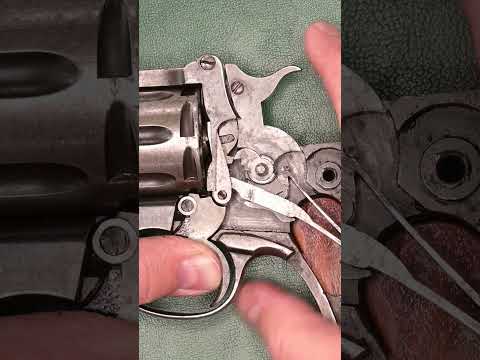
  6. 04:32Internal Mechanics
  7. 05:54Markings and Conclusion

Frequently Asked Questions

What is the unique mechanism of the Sauer Bär pistol?

The Sauer Bär pistol features a unique 4-shot mechanism consisting of two barrels and a manually rotating square breech block. After firing two shots from one side, the user rotates the block to access the remaining two rounds.

When and where was the Sauer Bär pistol manufactured?

The Sauer Bär pistol was manufactured in Germany by the Sauer company between 1899 and 1914. Production ceased with the onset of World War I.

What calibers was the Sauer Bär pistol chambered in?

Originally chambered in the proprietary 7mm Bär cartridge, the majority of Sauer Bär pistols were produced in .25 ACP.

What were the main competitors to the Sauer Bär pistol?

The Sauer Bär pistol faced stiff competition from the Browning Model 1900, which was a self-loader with higher capacity and a larger caliber, ultimately impacting the Bär's commercial success.

More Gunsmithing & DIY Videos You Might Like

More from Forgotten Weapons

View all →