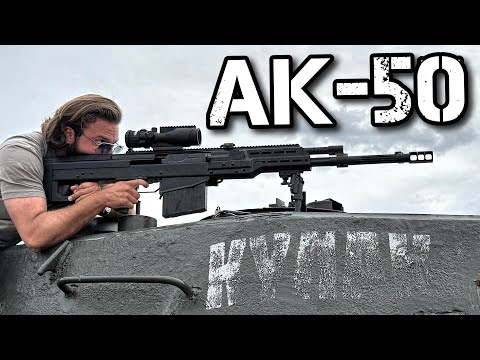
50 BMG 1911 - Would I Shoot It ???

Published on September 27, 2025
Duration: 0:42

This entry details the safety assessment of a custom .50 BMG 1911, drawing on expert insights from Scott of Kentucky Ballistics. The video highlights the extreme risks associated with firing such a powerful round from a modified platform, emphasizing structural integrity and the potential for detonation. Scott's personal experience with a .50 BMG incident and resulting injury serves as a stark warning against shooting firearms with questionable safety features, particularly a "flimsy bolt" design.


Quick Summary

Firearms expert Scott of Kentucky Ballistics refuses to shoot a custom .50 BMG 1911 due to extreme safety concerns. He highlights the danger of a "flimsy bolt" design, which significantly increases the detonation risk when firing such a powerful cartridge. Scott's personal experience with a .50 BMG explosion, resulting in a severe neck injury, underscores the critical importance of structural integrity in high-caliber firearms.

Chapters

  1. 00:00Introduction: Viewer Requests
  2. 00:08Shooting Footage & Recoil
  3. 00:20Safety Assessment & Neck Scar

Frequently Asked Questions

Why would someone build a .50 BMG 1911?

Building a .50 BMG 1911 is typically for extreme novelty or demonstration purposes, pushing the boundaries of firearm modification. However, as expert Scott explains, such builds often compromise structural integrity, making them incredibly dangerous and prone to catastrophic failure like detonation due to the immense pressures involved.

What are the risks of firing a .50 BMG round?

Firing a .50 BMG round generates extreme pressures and violent recoil. In a firearm not specifically engineered for it, such as a modified 1911, these forces can lead to catastrophic failure, including the bolt exploding or the firearm detonating, causing severe injury or death.

What is a "flimsy bolt" in the context of a .50 BMG firearm?

A "flimsy bolt" refers to a bolt mechanism that lacks the necessary strength and structural integrity to safely contain the immense pressures generated by a .50 BMG cartridge. This weakness significantly increases the risk of catastrophic failure, such as the bolt failing or the firearm detonating.

What safety precautions should be taken with high-caliber custom firearms?

When dealing with high-caliber custom firearms like a .50 BMG 1911, extreme caution is paramount. Always assess structural integrity, wear appropriate PPE (helmet, eye/ear protection), and never fire a weapon that exhibits signs of weakness or poses an unacceptable detonation risk, especially if you have prior experience with firearm failures.

More Gunsmithing & DIY Videos You Might Like

More from Kentucky Ballistics

View all →