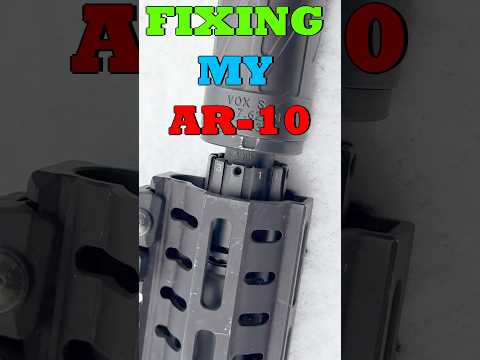
Adjustable Gas Block with Carbon Cutter

Published on May 21, 2020
Duration: 5:22

This guide details the installation and tuning of the Wilson Combat adjustable gas block, designed for AR-15 and AR-10 platforms. It emphasizes proper alignment, secure installation using set screws, and a methodical tuning process involving live-fire adjustments to achieve optimal cycling with various ammunition and shooting conditions, including suppressed use. The system features a carbon-cutting regulator for enhanced durability and consistent performance.

Quick Summary

The Wilson Combat adjustable gas block allows precise control over your AR-15/AR-10's cycling rate, crucial for reliable function with various ammunition and when shooting suppressed. Installation involves aligning the block with the gas port and securing it with set screws. Tuning is done via live fire, incrementally opening the gas block until the bolt reliably locks open.

Chapters

  1. 00:05Introduction to Wilson Combat Adjustable Gas System
  2. 00:34Installation and Tuning Overview
  3. 00:45Tools Required for Installation
  4. 01:03Gas Block Installation Steps
  5. 01:31Gas Tube and Gas Key Alignment Check
  6. 02:10Test Installation and Firing
  7. 02:36Gas Block Tuning Procedure
  8. 02:49Live Fire Tuning: Bolt Lock Back
  9. 03:29Optimizing Gas Setting for Reliability
  10. 04:01Adjusting for Suppressed and Unsuppressed Use
  11. 04:13Troubleshooting Short Stroking
  12. 04:25Carbon Cutter Mechanism Explained
  13. 04:49Clearing Carbon Fouling

Frequently Asked Questions

What is the primary benefit of an adjustable gas block on an AR-15 or AR-10?

An adjustable gas block allows you to precisely control the amount of gas cycling your rifle, which moderates the cycling rate. This tailors performance to your specific ammunition, shooting needs, and is crucial for reliable function when shooting suppressed versus unsuppressed.

How do you install a Wilson Combat adjustable gas block?

Install the gas block over the barrel gas seat, ensuring a snug fit. Align it with the gas port and secure it with a set screw into the barrel dimple. Verify gas tube alignment with the bolt carrier group's gas key and ensure clearance within the handguard.

What is the correct procedure for tuning an adjustable gas block?

Close the gas block completely by turning the adjustment screw clockwise. Then, back it out counterclockwise a few clicks. Fire a single round and continue incrementally opening the gas block until the bolt reliably locks open on an empty magazine.

How does the Wilson Combat adjustable gas block handle carbon fouling?

The Wilson Combat gas block features a 'Carbon Cutter' mechanism. Its internal stainless-steel regulator assembly acts like an auger, cutting through carbon as you adjust the block, which prevents it from clogging or seizing during heavy use.

When should I adjust my gas block for suppressor use?

When shooting suppressed, you typically need more gas to ensure reliable cycling. You may need to increase gas pressure by turning the regulator screw counterclockwise to achieve proper function with your suppressor attached.

Related News

All News →

More Gunsmithing & DIY Videos You Might Like

More from Wilson Combat

View all →