Experimental Lightweight Browning High Power

Published on May 3, 2017
Duration: 11:08

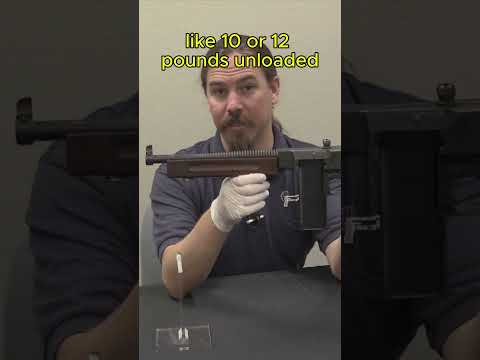
This guide details the experimental modifications made to a Browning High Power to create a lightweight prototype, as presented by Ian McCollum on Forgotten Weapons. The process involved significant material removal from the slide and frame, and the use of an aluminum alloy frame to achieve a target weight of 25.5 oz. However, the modifications introduced durability concerns, particularly in the locking block area, which ultimately led to the project's termination.

Quick Summary

The experimental lightweight Browning High Power aimed to reduce weight significantly, using aluminum frames and slide milling to reach 25.5 oz. Despite successful weight reduction and positive initial tests, durability issues, particularly frame deformation around locking block pins, led to the project's termination in 1951.

Chapters

  1. 00:00Introduction & Historical Context
  2. 01:21Lightening Modifications & Prototype Frames
  3. 02:55Canadian Military Trials & Weight Benefits
  4. 04:26US and British Testing Comparisons
  5. 07:02Technical Failures & Project End
  6. 09:15Korean War Anecdote

Frequently Asked Questions

What was the primary goal of the experimental lightweight Browning High Power project?

The primary goal was to create a handgun significantly lighter than the standard M1911, driven by US Army interest in a more portable sidearm for military use, especially during early NATO standardization efforts.

What modifications were made to achieve the lightweight design?

Modifications included extensive milling cuts to lighten the slide and frame, and the use of an aluminum alloy for the frame instead of steel, reducing the pistol's weight from 34 oz to 25.5 oz.

What were the main reasons the experimental lightweight High Power project was terminated?

The project was terminated primarily due to durability issues. The aluminum alloy frame showed significant wear and deformation, particularly around the locking block pin holes, under the stress of firing the steel slide.

Did the experimental lightweight High Power see any service use?

While the project was canceled, one custom pistol was assembled for Major General A.H.J. Cassels and carried as a sidearm during the Korean War, representing the only known instance of the experimental design being used in a service capacity.

More Gunsmithing & DIY Videos You Might Like

More from Forgotten Weapons

View all →