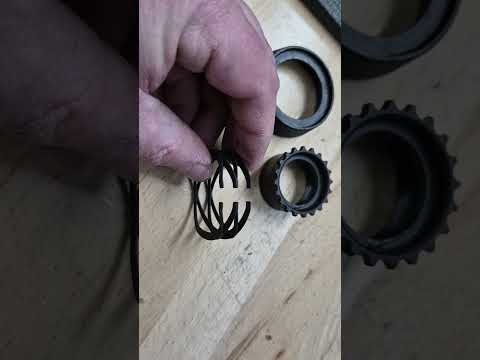
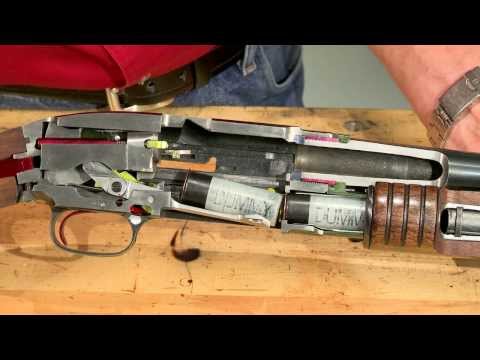
How to Install an AR-15 Barrel Presented by Larry Potterfield of MidwayUSA

Published on July 19, 2018
Duration: 5:23

This guide details the process of installing an AR-15 barrel, presented by Larry Potterfield of MidwayUSA. Key steps include applying anti-seize compound, proper torqueing and 'seasoning' of the barrel nut threads (30-80 ft-lbs), and ensuring correct gas tube alignment. The instruction emphasizes methodical execution and the use of specialized tools for a reliable build.

Quick Summary

Install an AR-15 barrel by first applying anti-seize to threads, aligning the barrel indexing stud, and hand-tightening the barrel nut. Torque the nut between 30-80 ft-lbs, performing a 'seasoning' process by tightening and loosening multiple times. Ensure gas tube alignment with a gauge before final assembly.

Chapters

  1. 00:00Introduction and Tools
  2. 00:13Applying Anti-Seize
  3. 00:33Indexing and Hand Tightening
  4. 01:12Torque Specifications
  5. 01:51Mating the Threads
  6. 02:46Delta Ring Alignment
  7. 03:29Gas Tube Alignment Check
  8. 04:08Gas Tube Installation
  9. 04:59Final Function Check

Frequently Asked Questions

What is the correct torque range for an AR-15 barrel nut?

The recommended torque range for an AR-15 barrel nut is between 30 and 80 ft-lbs. This specification is often referenced from military armorers' manuals and ensures a secure fit without over-stressing the receiver or barrel extension.

Why is applying anti-seize compound important during AR-15 barrel installation?

Applying anti-seize compound, such as Loctite Silver Grade, to the receiver and barrel nut threads prevents galling. Galling is a form of wear caused by adhesion between sliding metal surfaces, which can make future disassembly difficult or impossible.

How do you ensure proper gas tube alignment when installing an AR-15 barrel?

Proper gas tube alignment is achieved by ensuring the barrel's indexing stud aligns with the receiver's groove. After tightening the barrel nut, a gas tube alignment gauge should be used to confirm the tube can pass freely through the nut without binding.

What is the 'seasoning' process for AR-15 barrel nut threads?

The 'seasoning' process involves tightening the barrel nut to a lower torque (e.g., 30 ft-lbs) and then loosening it, repeating this several times. This allows the threads of the barrel nut and receiver to mate properly, ensuring a more consistent final torque application.

Related News

All News →

More Gunsmithing & DIY Videos You Might Like

More from MidwayUSA

View all →