How to Remove Old Screw Holes from a Firearm | The Model 67 Project | MidwayUSA

Published on April 9, 2008
Duration: 1:07

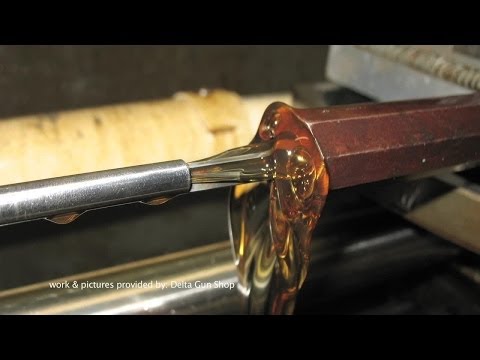
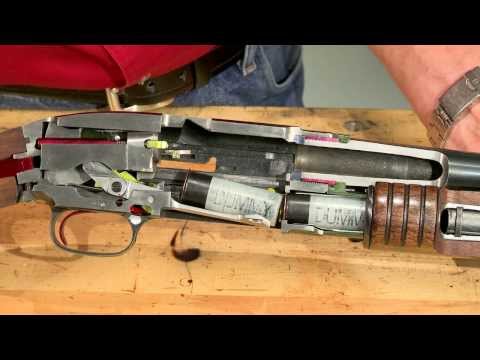
This video demonstrates how to effectively remove and fill unwanted screw holes on a firearm, specifically a Winchester Model 67. Larry Potterfield details a process involving chamfering, annealing screws, peening them with a hammer, filing, polishing, and finishing with cold blue for a seamless repair. This technique is crucial for firearm restoration and maintaining aesthetic value.

Quick Summary

To fill old screw holes on a firearm, first chamfer the hole mouth. Then, anneal a suitable screw, insert it, and peen the head with a hammer to expand the metal. File and polish the excess material flush, and finish with cold blue to match the surrounding metal.

Chapters

  1. 00:00Intro: Why Fill Screw Holes?
  2. 00:17Preparation: Chamfering & Annealing
  3. 00:29Peening & Filling the Holes
  4. 00:37Filing, Polishing & Bluing

Frequently Asked Questions

What is the first step in removing old screw holes from a firearm?

The initial step involves disassembling the firearm. Then, use a chamfer tool to remove any existing threads at the mouth of each unwanted screw hole, preparing it for the filling process.

How do you ensure the filled screw hole matches the firearm's finish?

After filing and polishing the filled area flush, apply a cold blue solution using a cotton swab. This helps to match the color and finish of the repaired section to the surrounding metal for a seamless appearance.

What tools are essential for filling firearm screw holes?

Essential tools include a chamfer tool for hole preparation, oval head screws for filling, a hammer (preferably ball pein) for peening, various files (coarse and fine) for shaping, and polishing materials, along with cold blue for finishing.

More Gunsmithing & DIY Videos You Might Like

More from MidwayUSA

View all →