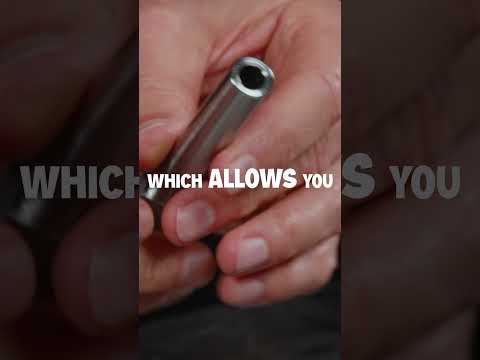
Lemons Happen

Published on July 10, 2023
Duration: 2:43

This guide details how to troubleshoot and fix a common Glock malfunction: the stovepipe. It emphasizes systematic part replacement, starting with the extractor and recoil spring, and highlights the ejector as the ultimate solution for a persistent issue, drawing on expert experience with Glock pistols.


Quick Summary

Troubleshooting a Glock stovepipe malfunction often involves replacing internal parts. While the extractor and recoil spring are common suspects, an expert firearms instructor notes that replacing the ejector is frequently the ultimate solution for persistent ejection issues.

Chapters

  1. 00:00Introduction: Firearms 'Lemons'
  2. 00:06Glock Preference & Glock 34
  3. 00:29Introducing the 'Lemon' Glock 22
  4. 00:53Shooting Experience with .40 Caliber Glocks
  5. 01:21Glock 22 Malfunction: Stovepiping Explained
  6. 01:37Troubleshooting Attempts: Extractor & Spring
  7. 02:11The Solution: Ejector Replacement
  8. 02:30Conclusion: Lemons Happen

Frequently Asked Questions

What is a common malfunction with Glock pistols that can be fixed by replacing internal parts?

A frequent malfunction with Glock pistols is the 'stovepipe,' where a spent casing fails to eject properly and gets stuck in the action. This can often be resolved by replacing internal components like the extractor, recoil spring, or most effectively, the ejector.

How can I troubleshoot a Glock that is stovepiping rounds?

To troubleshoot a Glock stovepipe, first ensure the firearm is unloaded. Then, disassemble it and inspect the extractor and recoil spring. If the issue persists, replacing the ejector is often the definitive solution, as demonstrated by expert firearms instructors.

Is it common for new firearms to have defects?

Yes, even firearms from reputable manufacturers like Glock can occasionally have defects, often referred to as 'lemons.' These can manifest as malfunctions like stovepipes, which typically require troubleshooting and part replacement.

What part of a Glock is most likely to fix a persistent stovepipe issue?

According to experienced firearms instructors, if replacing the extractor and recoil spring doesn't resolve a persistent stovepipe malfunction in a Glock, the ejector is the most likely component to fix the problem. A worn ejector can significantly impact casing ejection.

Related News

All News →

More Gunsmithing & DIY Videos You Might Like

More from Ben Stoeger

View all →