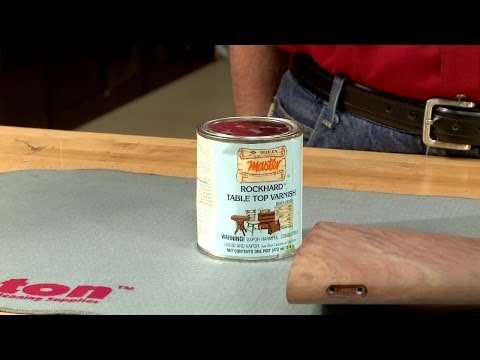
"Part 3- Sanding the stock down and applying the finish"

Published on February 24, 2009
Duration: 9:52

This video details the process of sanding and finishing a firearm stock. It emphasizes using flexible sanding pads and a progression of grits (100, 220, 320) to achieve a smooth surface. Proper application of Minwax pre-stain and wood stain, followed by multiple coats of Tru-Oil with steel wool between layers, is crucial for a durable and attractive finish.

Quick Summary

For firearm stock refinishing, use flexible contour sanding pads with a grit progression of 100, 220, and 320. Apply Minwax Pre-Stain Wood Conditioner before staining to prevent blotchiness. Finish with 6-8 coats of Tru-Oil, smoothing between layers with 0000 steel wool.

Chapters

  1. 00:00Introduction & Sanding Materials
  2. 01:09Finishing Supplies Overview
  3. 02:34Proper Sanding Technique
  4. 04:41Cleaning and Grit Progression
  5. 06:41Applying Pre-Stain and Wood Stain
  6. 08:50Final Staining and Drying

Frequently Asked Questions

What are the best sanding materials for a curved firearm stock?

For curved firearm stocks, flexible contour sanding pads like Norton 3X are recommended over traditional blocks. They conform to the curves, preventing flat spots and ensuring even pressure. A grit progression of 100, 220, and 320 is typically used.

How do I prevent blotchiness when staining a wood firearm stock?

To prevent blotchiness, apply a liberal coat of Minwax Pre-Stain Wood Conditioner and let it soak in for about 10 minutes before applying your oil-based wood stain. This helps the stain absorb more evenly into the wood grain.

What is the recommended process for applying Tru-Oil to a gun stock?

Tru-Oil is applied in 6-8 thin coats. After each coat dries, lightly smooth the surface with 0000 steel wool. This layering and smoothing process builds a durable, protective, and attractive finish on the firearm stock.

What is the correct sanding direction for wood firearm stocks?

Always sand with the grain of the wood. Sanding against the grain or across it will leave visible scratches that are difficult to remove and will detract from the final finish. Use light finger pressure for control.

More Gunsmithing & DIY Videos You Might Like

More from Iraqveteran8888

View all →