Quick Tip: Do's & Don'ts of Using Aluma-Hyde II

Published on April 28, 2023
Duration: 6:26

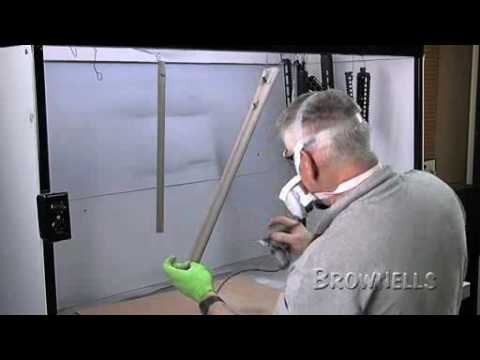
This guide details the proper application of Brownells Aluma-Hyde II, an epoxy-based spray coating. It emphasizes thorough shaking, using specialized cleanout nozzles for clogs, post-spray maintenance, and proper spraying technique for a smooth, durable finish. Instruction is provided by Caleb from Brownells, demonstrating expert knowledge of the product.

Quick Summary

Learn the do's and don'ts of applying Brownells Aluma-Hyde II, an epoxy spray finish. Expert tips cover thorough shaking, using cleanout nozzles for clogs, post-spray maintenance, and proper application distance for a smooth, durable result on all surfaces.

Chapters

  1. 00:00Introduction to Aluma-Hyde II
  2. 00:35Unique Durability
  3. 01:25Proper Shaking Technique
  4. 02:18Addressing Clogged Nozzles
  5. 03:55Post-Spraying Nozzle Maintenance
  6. 04:51Achieving a Smooth Finish
  7. 05:48Further Resources

Frequently Asked Questions

What is the most common mistake when using Brownells Aluma-Hyde II?

The most common mistake is not shaking the can enough. Aluma-Hyde II requires significantly more shaking than standard spray paints like Krylon or Rust-Oleum to properly mix its epoxy and talc components, ensuring a consistent finish and preventing clogs.

How can I prevent Aluma-Hyde II nozzles from clogging?

To prevent clogs, always invert the can after spraying and spray until only air comes out. This clears the nozzle and pickup tube. If a clog occurs, Brownells offers a 'Cleanout Nozzle' with a wide opening designed to clear these issues.

What is the best technique for applying Aluma-Hyde II for a smooth finish?

For a smooth finish, spray Aluma-Hyde II from a closer distance to the workpiece. Use a smooth, continuous motion, starting and stopping off the object. This prevents the paint from drying mid-air and avoids runs or overspray.

Is Aluma-Hyde II only for aluminum surfaces?

No, Aluma-Hyde II is designed as a tough, epoxy finish for all surfaces, not just aluminum. Its durable properties make it suitable for various materials commonly used in firearm applications.

Related News

All News →

More Gunsmithing & DIY Videos You Might Like

More from Brownells, Inc.

View all →