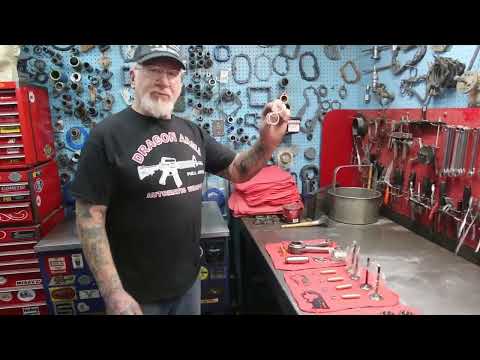
Rebuilding a Lower End at Dragonman's Machine Shop

Published on January 10, 2025
Duration: 12:23

This video details the comprehensive process of rebuilding a motorcycle engine's lower end, focusing on the meticulous steps involved in machining, component replacement, and assembly. The instructor, operating from his machine shop, demonstrates specialized techniques for removing and installing races and bushings, honing critical engine components to precise tolerances, and preparing flywheels for optimal performance. The guide emphasizes the importance of using the right tools and fixtures for accurate and durable results.


Quick Summary

Rebuilding a motorcycle engine lower end involves meticulous steps like removing and installing races/bushings with a 10-ton press, glass beading for cleaning, and honing components to precise clearances (1-2 thousandths). Flywheels are trued twice and balanced for optimal performance.

Chapters

  1. 00:00Introduction to Lower End Rebuild
  2. 00:11Rebuild Kit Components
  3. 00:31Connecting Rod Rebuild
  4. 01:04Cleaning and Glass Beading
  5. 01:33Disassembly and Bushing Removal
  6. 02:31Race and Bushing Removal Process
  7. 03:42Valve Guide Removal
  8. 04:05Custom Bushing Removal Fixture
  9. 04:31Bushing Installation
  10. 05:08Race Installation Tools
  11. 05:28Pinion Shaft Race Replacement
  12. 06:03Honing Machine Operation
  13. 06:41Connecting Rod Honing
  14. 07:33Glass Beading Machines Explained
  15. 08:26Flywheel Shaving Process
  16. 09:32Specialized Machining Equipment
  17. 10:04Flywheel Assembly and Truing
  18. 10:44Flywheel Truing Jig
  19. 11:05Bearing Installation Tool
  20. 11:26Conclusion and Contact Information

Frequently Asked Questions

What components are typically included in a motorcycle engine lower end rebuild kit?

A typical lower end rebuild kit, as shown in the video, includes new races for the case and pinion shaft, a three-hole crank pin, connecting rod lower races, wrist pin bushings, main seals, pin shaft bearings, and 54 Turlton roller bearings for the connecting rods.

How are old races and bushings removed from motorcycle connecting rods?

Old races and bushings are removed using custom-made fixtures and a hydraulic press, often requiring up to 10 tons of force. Approximately 2,000 lbs of force is typically needed to push out these components.

What is the purpose of honing motorcycle engine components during a rebuild?

Honing is performed on crankcase bores and connecting rod bores to achieve precise internal diameters and smooth surfaces. This ensures correct clearances for races and pins, critical for proper lubrication and engine longevity.

Why is it important to true flywheels twice for a motorcycle engine rebuild?

Truing flywheels twice, with an overnight rest between sessions, is crucial because torquing the components can cause slight shifts. Allowing them to sit overnight lets these shifts settle, ensuring the flywheels remain perfectly true after the second truing.

More Gunsmithing & DIY Videos You Might Like

More from Dragonman's

View all →