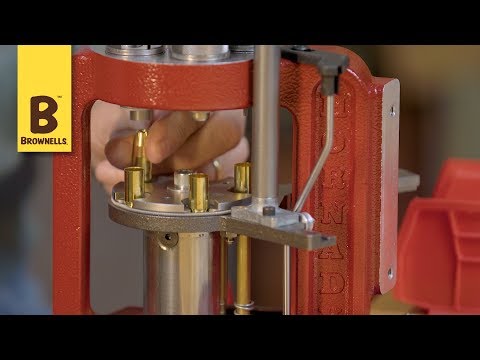
Reloading: Getting started with Dillon Presses

Published on May 15, 2011
Duration: 14:17

This guide introduces reloading with Dillon presses, highlighting significant cost savings compared to factory ammunition. It details the four stages of reloading, essential tools like scales and calipers, and the priming process. The video compares the manual Dillon 550B with the automatic Dillon 650, emphasizing safety precautions and component sourcing strategies.

Quick Summary

Reloading ammunition with presses like the Dillon 550B or 650 offers significant cost savings, potentially reducing .45 ACP costs from $25 to $4 per 50 rounds. The process involves four stages: decapping/resizing, powder charging/flaring, bullet seating, and crimping. Essential tools include scales and calipers, and safety precautions like eye protection are crucial.

Chapters

  1. 00:00Introduction & Cost Benefits of Reloading
  2. 01:19Dillon 550B Progressive Press Overview
  3. 02:46The Four Stages of Reloading Explained
  4. 05:18Essential Reloading Tools You Need
  5. 08:27Priming Process with Dillon Press
  6. 10:13Sourcing Reloading Components
  7. 11:21Crucial Reloading Safety Precautions
  8. 12:04Dillon 650 vs 550B Comparison

Frequently Asked Questions

What are the main cost benefits of reloading ammunition?

Reloading significantly reduces ammunition costs. For example, .45 ACP can cost around $25 per 50 rounds factory-made, but reloading can bring that cost down to approximately $4 per 50 rounds, especially when you have a free source of spent brass.

What are the four essential stages of the reloading process?

The four stages are: 1. Decapping the old primer and resizing the brass case. 2. Dropping the correct powder charge and flaring the case mouth. 3. Seating the bullet into the case. 4. Crimping the case mouth to secure the bullet and ensure proper feeding.

What essential tools are needed for reloading?

Key tools include a digital powder scale for precise powder charges and bullet weights, a digital caliper for measuring overall length and case dimensions, a label maker for organization, and a kinetic bullet puller for safely disassembling loaded rounds if errors occur.

What safety precautions should be taken when reloading?

Always wear eye protection to guard against potential primer issues. Using medical or latex gloves is recommended when handling spent brass or lead bullets to minimize lead exposure through skin absorption.

Related News

All News →

More Gunsmithing & DIY Videos You Might Like

More from Military Arms Channel

View all →