The Dominican Republic Gets Mausers, 50 Years Too Late

Published on June 20, 2018
Duration: 5:36

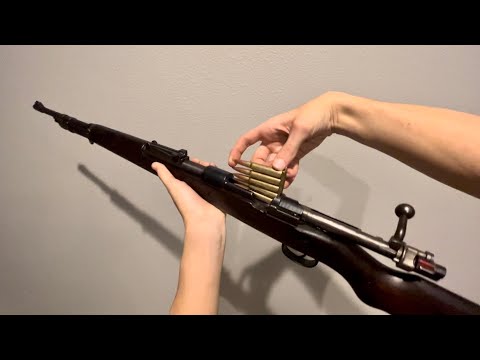
This entry details the unique history and refurbishment process of Dominican Republic Mausers, as explained by firearms expert Ian McCollum. These rifles, originally Brazilian surplus, were modified in the DR under General Trujillo's regime, featuring new markings, blued receivers, and durable finishes suited for the tropical climate. Many were later sold as surplus to the United States.

Quick Summary

Dominican Republic Mausers are unique as they are refurbished Brazilian surplus rifles from the 1950s, not direct manufacturer purchases. They feature distinct national markings, blued receivers, and durable finishes applied to withstand tropical climates. Some were re-barreled to .30-06 Springfield, and many remain in excellent condition due to limited conflict.

Chapters

  1. 00:00Introduction and Origin
  2. 01:12Dominican Arms Industry
  3. 01:44Refurbishment Characteristics
  4. 02:50Hardware and Stock Features
  5. 04:25Caliber and Surplus History

Frequently Asked Questions

What is unique about the Dominican Republic Mauser's origin?

Unlike many Latin American nations, the Dominican Republic acquired surplus Brazilian Model 1908 and 1914 Mausers in the 1950s, which were then refurbished domestically rather than purchased directly from manufacturers like DWM or FN.

How were the Dominican Republic Mausers refurbished?

Refurbishment involved bluing the receivers, scrubbing original Brazilian markings, and applying new stamps like 'ARMER A.F.A REP.DOM.' along with a heavy, durable finish to withstand the tropical climate.

What caliber changes occurred with these Mausers?

Originally chambered in 7mm Mauser, some Dominican Republic Mausers were later re-barreled to the more common .30-06 Springfield caliber, reflecting potential standardization efforts.

Why are these rifles often in good condition?

The Dominican Republic saw limited conflict, meaning these refurbished Mausers were well-preserved. They were later sold as surplus, primarily to the United States, often retaining their excellent condition.

Related News

All News →

More Gunsmithing & DIY Videos You Might Like

More from Forgotten Weapons

View all →