The Riflespeed Dissipator

Published on February 19, 2024
Duration: 20:18

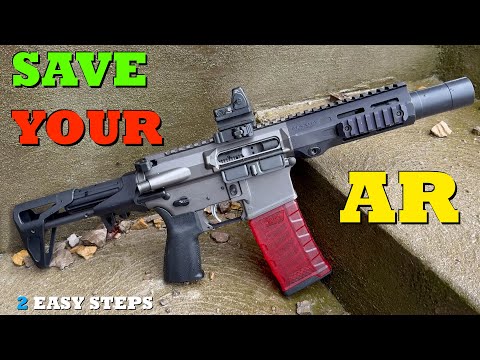
This guide details how to tune a modern dissipator AR-15 build using the Riflespeed Gas Control adjustable gas block. Expert instructor Hop explains the challenges of short dwell time in dissipator configurations and demonstrates how an adjustable gas block, combined with a lightweight BCG, allows for precise tuning to manage recoil and ensure reliable function with and without a suppressor. The process involves selecting the correct gas block plunger, ensuring handguard compatibility, and iteratively adjusting the gas flow.

Quick Summary

An AR-15 dissipator build, featuring a rifle-length gas system on a short barrel, often requires an adjustable gas block like the Riflespeed to manage its short dwell time. This allows for precise tuning to ensure reliable cycling with various ammunition and suppressors, while also enabling recoil reduction when paired with a lightweight BCG.

Chapters

  1. 00:00Introduction: Riflespeed Gas Block & Modern Dissipator
  2. 02:21Defining the Dissipator: Short Dwell Time Explained
  3. 03:21Dwell Time Challenges & Gas Port Physics
  4. 05:49Comparing Riflespeed vs. Superlative Arms Gas Blocks
  5. 08:58Riflespeed Features: Tool-less Collar & Plunger Swaps
  6. 11:11Aluminum BCG for Recoil Reduction
  7. 14:12Build Specs: KAK Barrel & Handguard Selection

Frequently Asked Questions

What is a dissipator AR-15 and why does it need an adjustable gas block?

A dissipator AR-15 uses a rifle-length gas system on a short barrel (like 16 inches), creating a short dwell time. This configuration often requires an adjustable gas block, such as the Riflespeed, to precisely control gas flow and ensure reliable cycling, especially when using suppressors.

How does the Riflespeed adjustable gas block differ from other options?

The Riflespeed gas block features a unique tool-less adjustment collar with 12 clearly marked settings, allowing for quick and easy adjustments in the field. This contrasts with many other adjustable gas blocks that require specialized tools and multiple clicks for each adjustment.

Can an adjustable gas block help reduce recoil on an AR-15?

Yes, by precisely tuning the gas system with an adjustable block like the Riflespeed, you can reduce the amount of gas cycling the action. When combined with a lightweight bolt carrier group (BCG), this significantly lowers reciprocating mass and felt recoil.

What are common build challenges with dissipator AR-15s and adjustable gas blocks?

A primary challenge is finding a handguard that provides sufficient clearance for the external adjustment mechanism of the gas block. The geometry at the front of the handguard is critical, as demonstrated by the successful use of the Midwest Industries 14-inch Slim Line (SL) rail.

More Gunsmithing & DIY Videos You Might Like

More from Hop

View all →