This Rifle is Fascinating

Published on March 3, 2026
Duration: 29:39

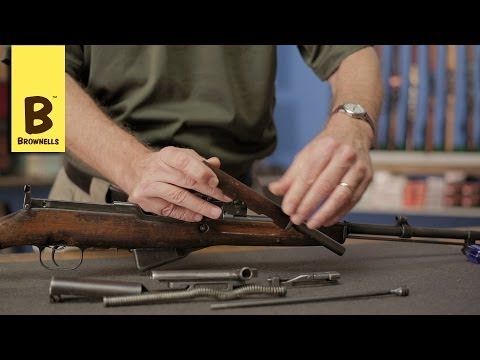
This video provides a detailed breakdown of the SKS rifle, challenging the common perception of it as a 'garbage commie rifle.' The instructor meticulously disassembles the firearm, explaining the function and design of various components, including the unique tilting bolt mechanism, the integrated bolt cover, and the fire control group. The explanation highlights the SKS's surprisingly refined engineering and safety features, offering valuable insights for firearm enthusiasts and designers.


Quick Summary

The SKS rifle features a unique tilting bolt mechanism where the bolt drops down to lock into the receiver, unlike the rotating bolt of an AR-15. Its bolt carrier cover is a machined component that acts as a guide rail, offering more structural integrity than simpler designs.

Chapters

  1. 00:00Introduction to the SKS
  2. 00:13Magazine Removal
  3. 00:35Fire Control Group Removal
  4. 01:42Bolt Carrier Cover Removal
  5. 02:36Recoil Spring and Bolt Removal
  6. 03:42Bolt and Bolt Carrier Details
  7. 04:11Bolt Components: Extractor & Firing Pin
  8. 05:08Bolt Carrier Details
  9. 06:05Tilting Bolt Mechanism Explained
  10. 06:41Bolt Locking Pin
  11. 07:20Out-of-Battery Safety (Bolt Lock)
  12. 07:51Gas System Overview
  13. 08:13Handguard and Piston Removal
  14. 08:24Short Stroke Gas Piston Design
  15. 09:37Overall Receiver Assembly
  16. 10:00Fire Control Group - Non-Select Fire
  17. 10:38Fire Control Group Cassette Assembly
  18. 10:58Out-of-Battery Safety Lever
  19. 11:57Fire Control Group Breakdown
  20. 12:13External View of Fire Control Operation
  21. 13:31Out-of-Battery Safety Lever Function
  22. 13:39Hammer Details
  23. 14:43Hammer's Third Feature: Auto Sear Catch
  24. 15:48How the Weapon Fires
  25. 17:30Out-of-Battery Safety States
  26. 19:28Firing Cycle Summary
  27. 20:30Other Intriguing Details
  28. 20:51Spring System (Sear & Mag Release)
  29. 20:55Trigger & Out-of-Battery Safety Spring
  30. 22:01Secondary Reset Component
  31. 23:57Removing Secondary Reset Component
  32. 24:39Trigger Spring and Internal Components
  33. 24:53Trigger Bar Details
  34. 26:49Trigger Bar States in Firing State
  35. 27:46Out-of-Battery Safety Mechanism
  36. 28:33Oddity: Redundant Out-of-Battery Safety
  37. 29:10Conclusion & Final Thoughts

Frequently Asked Questions

What makes the SKS bolt carrier cover unique compared to an AK?

The SKS bolt carrier cover is a machined piece of metal that integrates into the receiver and acts as a guide rail for the bolt carrier, providing more structural support than the AK's simpler sheet metal dust cover.

How does the SKS locking mechanism differ from an AR-15?

The SKS uses a tilting bolt system where the rear of the bolt drops down to lock into a pin in the receiver. In contrast, the AR-15 employs a rotating bolt that turns to engage locking lugs.

What is the purpose of the secondary out-of-battery safety component on the SKS?

This component acts as an additional safety, preventing the trigger from being pulled when the bolt is not fully locked. However, the video notes that the primary bolt-locking mechanism already provides effective out-of-battery safety, making this secondary system somewhat redundant.

Can the SKS be disassembled without first opening the bayonet?

No, the bayonet must be opened before disassembling the stock and fire control group. The bayonet, when closed, holds down the stock, preventing the removal of these components.

Related News

All News →

More Gunsmithing & DIY Videos You Might Like

More from Hoffman Tactical

View all →