Type 94 "Nanbu" - The Most Dangerous Pistol of WW2

Published on March 12, 2026
Duration: 2:17

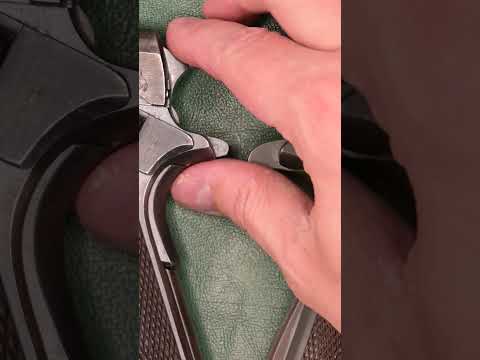
This guide details a demonstration of the Nambu Type 94's critical design flaw: an exposed transfer bar/sear that allows for accidental hammer release. Expert instruction emphasizes safety precautions, including the use of dummy rounds and the avoidance of dry firing antique firearms. The demonstration highlights how pressure on this exposed mechanism bypasses the trigger safety, a known issue that persisted despite manufacturer awareness.

Quick Summary

The Nambu Type 94 pistol is considered dangerous due to its exposed transfer bar/sear mechanism. This design flaw, a result of manufacturing shortcuts, allows the hammer to be released by direct pressure on the exposed part, bypassing the trigger safety. Despite this, it was intended as an officer's sidearm, not a 'surrender pistol.'

Chapters

  1. 00:00Introduction: Dangerous WW2 Pistol
  2. 00:16Manufacturing Choices and Design
  3. 00:36Safety Mechanism and Flaw
  4. 00:57Demonstration Prep: Dry Firing Caution
  5. 01:16Accidental Discharge Demonstration
  6. 01:30Historical Awareness and Myths
  7. 01:56Intended Use and Conclusion

Frequently Asked Questions

What makes the Nambu Type 94 considered dangerous?

The Nambu Type 94 is considered dangerous due to its exposed transfer bar/sear mechanism on the left side. Direct pressure on this exposed part can release the hammer, bypassing the trigger safety and potentially causing an accidental discharge.

Was the Nambu Type 94 designed as a 'surrender pistol'?

No, the Nambu Type 94 was not designed as a 'surrender pistol.' This is a myth; it was intended as a compact sidearm for Japanese officers during World War 2, despite its critical design flaw.

Why was the Nambu Type 94's sear mechanism exposed?

The exposed sear mechanism was a result of manufacturing shortcuts. The pistol was milled from the outside, and dovetailed plates with welding were used, leaving the sear path uncovered to speed up production.

What safety precautions should be taken when demonstrating the Nambu Type 94's flaw?

When demonstrating the Nambu Type 94's flaw, it's crucial to use a dummy round and avoid dry firing antique firearms. Direct pressure on the exposed transfer bar/sear should be applied carefully to show the hammer release.

Related News

All News →

More Gunsmithing & DIY Videos You Might Like

More from C&Rsenal

View all →