USGI M231 & Colt 601 Tool

Published on February 24, 2020
Duration: 3:17

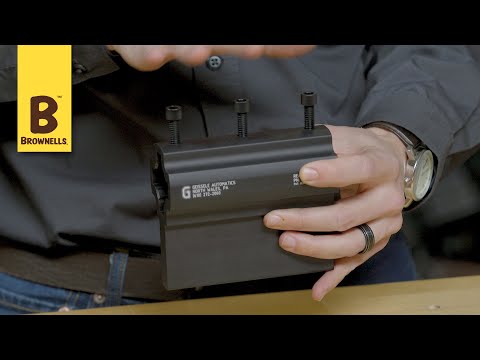
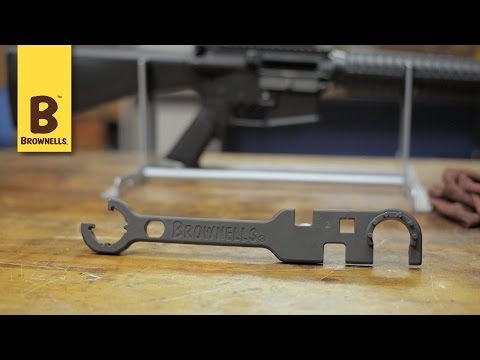
This video demonstrates the proper method for removing and installing early Colt 601 receiver extensions, which lack standard wrench flats. It highlights the use of a specialized USGI M231 tool, explaining how it interfaces with a hole in the receiver extension to provide leverage. The instructor emphasizes the importance of using the correct tool to avoid damaging these collectible parts, contrasting it with less effective methods like strap wrenches or filing flats.

Quick Summary

The proper tool for removing an early Colt 601 receiver extension is a USGI M231 tool. This specialized military armorer's tool engages a specific hole in the receiver extension, providing leverage without damaging the collectible part, unlike methods such as filing flats or using a strap wrench.

Chapters

  1. 00:00Introduction to Early Receiver Extensions
  2. 00:22Identifying Colt 601 Receiver Extensions
  3. 00:33Associated Early Components (Buffer, Carrier)
  4. 00:51Improper Removal Methods
  5. 00:54Introducing the Proper Tool (M231)
  6. 01:07Mock-up and Tool Usage
  7. 01:31USGI M231 Tool Explained
  8. 01:55Tool Insertion and Operation
  9. 02:28Importance of Correct Tool for Collectibles
  10. 02:39Damage from Incorrect Methods
  11. 03:04Conclusion: M231 Tool for Colt 601

Frequently Asked Questions

What is the proper tool for removing an early Colt 601 receiver extension?

The proper tool for removing an early Colt 601 receiver extension is a USGI M231 tool. This specialized military armorer's tool is designed to engage a specific hole in the receiver extension, providing the necessary leverage without damaging the collectible part.

Why are early Colt 601 receiver extensions different from modern ones?

Early Colt 601 receiver extensions are different because they lack the external wrench flats found on modern tubes. Instead, they feature a hole designed to interface with a specific tool, like the USGI M231 tool, for installation and removal.

What are common mistakes when trying to remove vintage AR-15 receiver extensions?

Common mistakes include using a strap wrench, filing flats onto the tube (which damages its collectible value), or trying to force it with a large punch. These methods can easily damage the receiver extension, especially on collectible firearms like the Colt 601.

What other early AR-15 components might be found with a Colt 601 receiver extension?

When working with a Colt 601 receiver extension, you might also encounter an older 'two-edge' buffer and a Colt 601 bolt carrier that is staked on the side on top. These are indicative of early AR-15 production.

Related News

All News →

More Gunsmithing & DIY Videos You Might Like

More from School of the American Rifle

View all →