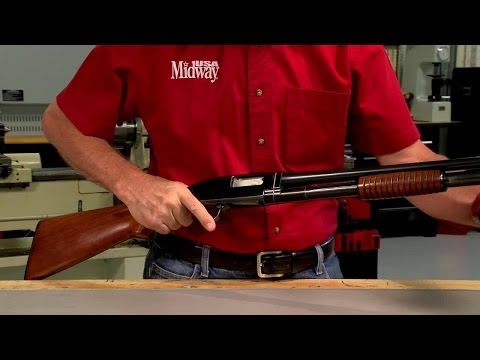
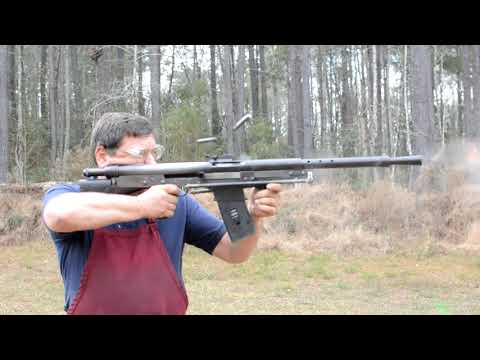
Winchester 1897 Confirmation Bias: Anvil 0142

Published on October 4, 2024
Duration: 41:24

This guide details the comprehensive disassembly, cleaning, and reassembly of a Winchester 1897 shotgun, as demonstrated by Mark Novak. It covers identifying potential issues like slam fire, performing thorough cleaning and conservation, inspecting critical components, and understanding the firearm's unique mechanical logic. The process emphasizes meticulous gunsmithing techniques to ensure the safe and proper function of this vintage firearm, concluding with a range test to verify its operation.

Quick Summary

The Winchester 1897's 'slam fire' is a design feature where the hammer falls if the trigger is held as the bolt closes, due to the lack of a disconnector. While functional, worn parts can make this dangerous, potentially causing out-of-battery discharges. Proper maintenance and inspection of components like the sear and hammer notches are crucial for safe operation.

Chapters

  1. 00:00Introduction: Winchester 1897 Safety Issue & Slam Fire
  2. 01:28Initial Disassembly & Inspection
  3. 03:52Stock & Internal Component Removal
  4. 11:58Shell Latches & Conservation Process
  5. 18:14Conservation Results: Before & After
  6. 20:09Mechanical Inspection & Firing Cycle Animation
  7. 24:47Failure Analysis & Slam Fire Safety Warning
  8. 26:53Reassembly & Functional Logic Explained
  9. 28:44Range Testing & Slam Fire Demonstration

Frequently Asked Questions

What is 'slam fire' on a Winchester 1897?

Slam fire on a Winchester 1897 occurs when the trigger is held down as the bolt closes, causing the hammer to fall and fire the round. This is a design feature due to the absence of a disconnector, but can be dangerous if parts are worn.

How is rust removed from a vintage Winchester 1897?

Expert conservation involves stripping old oil and converting rust. Techniques like boiling the metal parts and then carding them can remove harmful oxidation while preserving the original finish by converting rust into stable black oxide.

Why is it important to inspect the sear and hammer notches on a Winchester 1897?

The sear and hammer notches are critical for safe firing. Inspecting them for sharpness and damage ensures the hammer is properly held and released, preventing accidental discharges or malfunctions, especially important given the slam fire capability.

What are the risks of slam firing a Winchester 1897?

While slam firing is a design feature, it can be dangerous if firearm components are worn or if tolerances are off. This can lead to out-of-battery discharges, brittle fractures of the receiver, or other catastrophic failures, emphasizing the need for proper maintenance and operator training.

More Gunsmithing & DIY Videos You Might Like

More from Mark Novak

View all →