3 Things I Didn't (and did) Learn After 1 Year of Competition

Published on December 6, 2024
Duration: 16:45

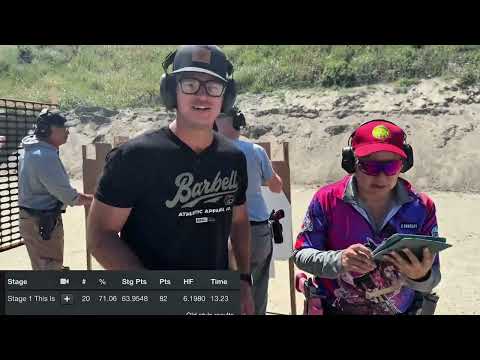
After a year of competition, the speaker emphasizes that acceptable accuracy standards are crucial, but speed often has diminishing returns. They highlight the importance of 'eyes lead shooting' for faster target transitions and the necessity of blending shooting and movement rather than treating them as sequential actions. The speaker also cautions that competition, while a valuable training tool, can develop 'training scars' if not approached with a measured understanding of its gamified elements.

Quick Summary

Competition shooting offers valuable insights into balancing speed and accuracy, with speed often being paramount in formats like USPSA due to close ranges and large targets. Mastering 'eyes lead shooting' and blending movement with shooting are key techniques. However, competition can also create 'training scars' by prioritizing speed over absolute safety, necessitating dedicated post-match practice to reinforce proper skills.

Chapters

  1. 00:00Introduction to Competition Shooting
  2. 01:13Competition as a Training Tool
  3. 03:15Learned: Acceptable Accuracy Standards
  4. 05:33Learned: Eyes Lead Shooting
  5. 07:04Learned: Blending Shooting and Movement
  6. 09:26Didn't Learn: Competition Makes You Better
  7. 11:01Didn't Learn: No Tactical Shooting
  8. 13:13A-Class Shooters and Competition Relevance
  9. 15:32Conclusion: Measured Approach to Competition

Frequently Asked Questions

What is 'eyes lead shooting' in the context of competition?

'Eyes lead shooting' means looking at your target and allowing your firearm to naturally follow, rather than tracking the gun's movement. This technique allows for much faster and snappier transitions between targets, improving overall stage times.

How does competition shooting impact tactical skills?

While competition improves shooting speed and accuracy, it can create 'training scars' by prioritizing speed over absolute safety. For instance, the approach to 'no-shoot' targets in competition differs significantly from real-world tactical requirements, potentially leading to bad habits.

Is speed or accuracy more important in competition shooting?

In many competition formats like USPSA and IDPA, speed is often more critical due to close ranges and large targets. Accuracy has diminishing returns; a slightly less precise but faster shot can yield a better hit factor than a perfect shot that takes too long.

How can competition shooting be used as a training tool?

Competition serves as a test to diagnose strengths and weaknesses. However, to truly improve, the lessons learned must be reinforced through dedicated practice and isolated training reps after the match, rather than relying solely on the competition itself to build skills.

Related News

All News →

More Range & Competition Videos You Might Like

More from Brass Facts

View all →