GUNTALK S4: 3-Gun Ironman, Part 2 - Ep 10, Pt 4

Published on December 23, 2014
Duration: 6:11

This video covers part two of the Gun Talk Media's 3-Gun Ironman competition, focusing on challenging stages that test shooter endurance and proficiency. Key takeaways include the importance of practicing support-side shooting, efficient shotgun reloading under pressure, and the demanding nature of high-round-count stages. The Ironman format pushes equipment and shooters to their limits, highlighting the need for reliable gear and robust training.

Quick Summary

The 3-Gun Ironman match is a demanding competition characterized by its 'free flow' rules, high round counts, and extensive use of support-side shooting. Competitors must practice extensively, especially for weak-hand proficiency, and their equipment is pushed to its limits, often leading to malfunctions. Efficient reloading and strategic planning are crucial for success in this challenging event.

Chapters

  1. 00:00Introduction and Sponsors
  2. 00:19Iron Man Match Philosophy
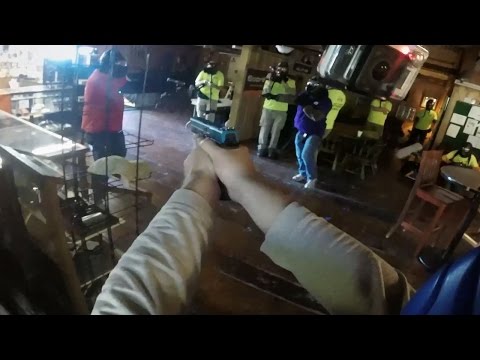
  3. 00:49High Round Count Stage Preview
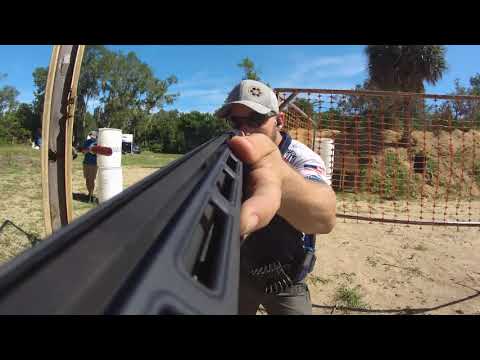
  4. 01:10Support Side Shooting Demands
  5. 02:12Support Side Stage Debrief
  6. 02:27Plate Rack Stage Strategy
  7. 02:54Next Competitor's Weak Side Stage
  8. 03:46Shotgun Malfunction
  9. 05:00Shotgun Failure Analysis
  10. 05:28Iron Man's Toll on Gear
  11. 05:44Conclusion and Match Recommendation

Frequently Asked Questions

What makes the 3-Gun Ironman match unique?

The 3-Gun Ironman is a 'free flow' match, meaning if a specific action isn't prohibited, it's generally allowed. This encourages competitors to be creative and adapt their strategies. It's also known for its high round counts and demanding stages that push both shooters and their equipment to the absolute limit.

Why is support-side shooting important in the Ironman match?

Many stages in the Ironman match require competitors to shoot exclusively from their support (weak) side. This necessitates dedicated practice for trigger control, proper firearm mounting, and sight acquisition using your non-dominant hand and shoulder. Without prior training, performing well on these stages is extremely difficult.

What kind of challenges do competitors face in high-round-count stages?

High-round-count stages in the Ironman match demand significant planning, especially when multiple firearm types like pistol and shotgun are involved. Efficient reloading techniques are paramount, and competitors must manage their ammunition and firearm function under intense time pressure. Equipment reliability is also severely tested.

How does the Ironman match affect firearms and gear?

The Ironman match is notorious for its extreme demands, often pushing firearms and gear beyond their intended operational capabilities. Competitors frequently experience equipment malfunctions due to the high round counts and strenuous conditions. This highlights the importance of using reliable, well-maintained equipment and having contingency plans.

More Range & Competition Videos You Might Like

More from Gun Talk Media

View all →