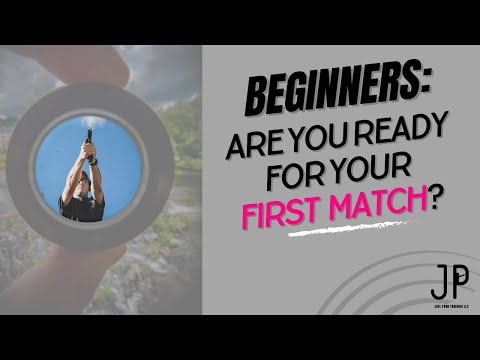
How to Prepare for a Match or Class

Published on June 27, 2026
Duration: 11:35

This guide, presented by firearms instructor Joel Park, emphasizes that new shooters should not delay attending matches or classes due to perceived lack of skill. Key advice includes prioritizing safety, ensuring your firearm is zeroed, bringing ample supplies like ammunition and hydration, and understanding basic gun handling. The instructor highlights that the shooting community is generally welcoming to beginners, provided they adhere to safety protocols.


Quick Summary

Don't wait to attend your first firearms match or class until you feel perfectly ready; you will never feel completely prepared. The key is to prioritize safety, ensure your firearm is zeroed to hit a dinner plate at 15-20 yards, and bring ample supplies like ammunition and hydration. The shooting community is generally welcoming to beginners who demonstrate safe handling.

Chapters

  1. 00:00Introduction: Don't Wait to Shoot
  2. 00:46Why You're Never Truly 'Ready'
  3. 01:06Competitors Focus on Performance, Not Your Mistakes
  4. 02:24Real-World Example: New Shooter at a Match
  5. 03:44Safety is Paramount: What Matters to Others
  6. 04:03Basic Gun Handling for Classes
  7. 05:57Firearm Zeroing: Essential for Accuracy
  8. 07:20What to Bring: Ammo, Hydration, and Snacks
  9. 08:06Magazine Count for Handguns
  10. 08:52Bringing Multiple Firearms to Class
  11. 09:59Extra Parts and Small Items
  12. 10:38Final Thoughts: Be Prepared, Not Perfect

Frequently Asked Questions

What is the most important advice for someone preparing for their first firearms match or class?

The most crucial advice is to not wait until you feel perfectly ready. You will never feel completely prepared, so the best approach is to attend your first match or class as soon as possible. Focus on safety and basic gun handling, as the shooting community is generally welcoming to newcomers.

How important is it to zero my firearm before a shooting competition or class?

Zeroing your firearm is essential. It should be accurate enough to consistently hit a dinner plate at 15-20 yards without time constraints. This ensures that any misses are due to your shooting, not an improperly sighted weapon, and allows you to focus on learning and improving.

What essential gear should I bring to a firearms class or match?

You should bring ample ammunition, more than you think you'll need, along with plenty of hydration (water, sports drinks) and snacks. Don't forget appropriate eye protection, including clear lenses, and sunscreen. For handguns, 4-6 magazines are recommended.

What basic gun handling skills are expected for a firearms class?

For a class, you should be able to perform administrative gun handling tasks safely and independently. This includes safely loading and unloading your firearm, clearing common malfunctions like stovepipes or failures to extract, and safely re-holstering without constant supervision.

Related News

All News →

More Range & Competition Videos You Might Like

More from Joel Park

View all →