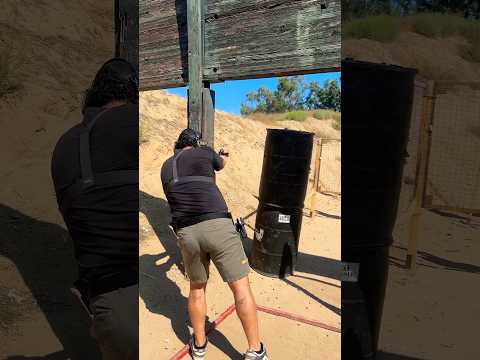
Shooting a Competition Match with the @DanielDefense H9!

Published on February 17, 2024
Duration: 30:27

This video documents a competitor's experience shooting a USPSA match with the Daniel Defense H9. It highlights the importance of stage planning, efficient reloads, and understanding the gun's characteristics like trigger pull and magazine capacity. The content includes insights from a Grandmaster shooter, offering valuable tactical advice for competitive shooting.

Quick Summary

The Daniel Defense H9 performed reliably in a USPSA competition, with no malfunctions. The shooter achieved good accuracy and placed well overall. Key takeaways include the H9's duty-style trigger, the importance of strategic stage planning and reloads, and the need for optic plate stability maintenance.

Chapters

  1. 00:18Introduction & Match Setup
  2. 01:17Stage 1 Shooting
  3. 02:44Stage 2 Shooting
  4. 03:55Marco Kah Hug Stage Walkthrough
  5. 04:38Stage 3 Shooting
  6. 08:03Final Stage Shooting
  7. 11:44Marco Kah Hug Runs a Stage
  8. 14:08Match Debrief & Scores
  9. 15:23H9 Performance Analysis
  10. 17:30Carry Optics Division Results
  11. 19:22Optic Plate Reliability
  12. 20:08Marco Kah Hug's Thoughts
  13. 21:01Reliability in Competition
  14. 22:01Stage Planning & Reloads
  15. 25:58Reload Issues & Mag Capacity
  16. 26:54Plate Rack Issues
  17. 28:58Gear Setup Breakdown

Frequently Asked Questions

How did the Daniel Defense H9 perform in a USPSA competition match?

The Daniel Defense H9 performed reliably during the USPSA match, with no malfunctions reported. The shooter achieved good accuracy, placing 21st overall out of 46 competitors and 8th in the Carry Optics division. Key observations included the trigger's duty-style feel and the need for careful stage planning and reload execution.

What are the key considerations for stage planning in competitive shooting?

Effective stage planning involves mentally walking the stage to identify all targets, determining the most efficient path between positions, and strategically planning reload points. Considering potential choke points and alternative target engagement orders can also optimize performance and minimize time loss.

What are the pros and cons of the Daniel Defense H9's 15-round magazines for competition?

The H9's 15-round magazines can be a disadvantage in competition, requiring more frequent reloads compared to standard 18-20 round magazines. While the reloads themselves can be executed efficiently, the increased frequency can lead to time loss, especially if slide lock reloads occur due to poor planning.

How does the Daniel Defense H9's trigger compare to other competition triggers?

The H9 features a duty-style striker-fired trigger with a predictable wall and break, weighing around 4.5-5 lbs. While considered a good production trigger, it's not as light or crisp as highly tuned 1911/2011 triggers commonly used in competition, requiring an adjustment period for shooters accustomed to those.

What advice is given regarding optic plate stability on the Daniel Defense H9?

After initial concerns about the optic plate loosening, it was found that retorquing the screws to 23 in-lbs and using additional thread locker helped maintain stability over several hundred rounds. The shooter noted the lack of a built-in cavity or spine for the plate to recess into as a potential area for future design improvement.

Related News

All News โ†’

More Range & Competition Videos You Might Like

More from Roger Barrera (QVO Tactical)

View all โ†’