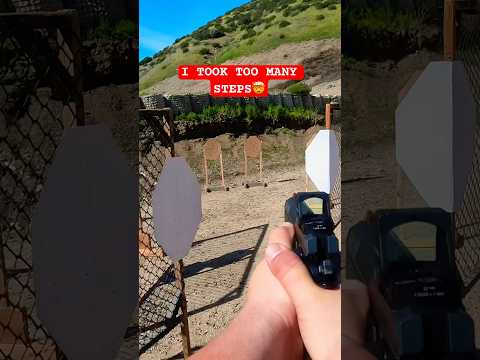
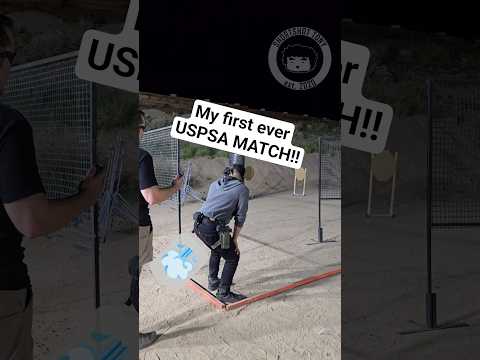
Thinking about a USPSA match? New Shooter Brief (1 of 2)

Published on November 5, 2022
Duration: 22:36

This guide outlines the essential information for new USPSA competitors, drawing from the expertise of a former Match Director. It covers match registration via Practiscore, understanding divisions, cold range rules, safety commands, scoring, and recommended gear. The emphasis is on safe participation and learning the sport's nuances.

Quick Summary

USPSA is a skill-testing game where success for new shooters means safely completing the match and learning the rules. Registration is done via Practiscore.com. Key divisions include Carry Optics, Limited, Open, and PCC. Strict 'Cold Range' rules apply, emphasizing firearm safety, muzzle discipline (180-degree rule), and handling firearms only under Range Officer supervision. Scoring is based on 'Hit Factor' (Points/Time), with penalties for misses.

Chapters

  1. 00:00Introduction and Expectations
  2. 01:09Gear and Registration
  3. 02:02USPSA Divisions
  4. 03:01Ammo and Cold Range Rules
  5. 04:54Match Flow and Range Officers
  6. 06:39Range Commands and Safety
  7. 09:34Disqualification (DQ) Offenses
  8. 13:33PCC Specifics
  9. 14:49Stage Walkthroughs
  10. 16:29Scoring and Penalties
  11. 19:02Equipment and Culture

Frequently Asked Questions

What are the main divisions in USPSA for new shooters?

The four main divisions for beginners in USPSA are Carry Optics (red dots, no magwells), Limited (iron sights, magwells allowed), Open (highly modified 'race guns'), and PCC (Pistol Caliber Carbine). Beginners with iron sights are often advised to start in Limited Minor to simplify the learning curve.

How much ammunition is typically needed for a USPSA match?

To calculate ammo needs, multiply 32 rounds by the number of stages and round up. For most local matches, this typically means preparing around 200 rounds to ensure you have enough for all stages and potential re-shoots.

What are the critical safety rules for new USPSA competitors?

Key safety rules include adhering to the '180-degree rule' (never pointing the muzzle behind you), keeping fingers outside the trigger guard when moving or reloading, and only handling firearms at designated Safe Tables or under Range Officer supervision. Always follow the 'Cold Range' protocol.

How is scoring done in USPSA matches?

USPSA uses 'Hit Factor' scoring, calculated by dividing the total points earned on targets by the time taken to complete the stage. Targets have different scoring zones (A, C, D), and penalties are applied for misses ('Mikes') or hitting 'No-Shoot' targets.

Related News

All News →

More Range & Competition Videos You Might Like

More from TheHumbleMarksman

View all →