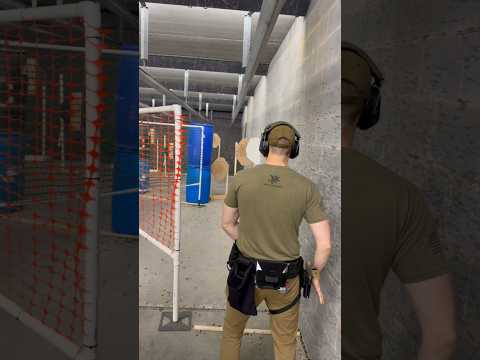
Using a Triple Pull for the first time at the NRL Hunter Cactus Classic

Published on December 28, 2025
Duration: 1:26

This guide details the execution of a stage at the NRL Hunter Cactus Classic, emphasizing efficient setup, precise optic adjustments, and rapid target engagement under strict time constraints. It highlights the importance of spotter communication and adapting to missed shots, as demonstrated by an experienced competitor utilizing a TriggerCam 2.1 for recording.

Quick Summary

Competitors at the NRL Hunter Cactus Classic must efficiently set up their rifle and gear, make precise scope adjustments, and engage targets rapidly. Spotter communication is vital for confirming hits and misses, enabling quick corrections under time pressure. Devices like the TriggerCam 2.1 aid in post-stage analysis of performance.

Chapters

  1. 00:00Competition Start & Setup
  2. 00:11Pre-Shot Adjustments & Timer
  3. 00:26Optic Setup & TriggerCam 2.1
  4. 00:31First Shot & Hit Confirmation
  5. 00:45Second Shot & Hit Confirmation
  6. 00:59Third Shot & Miss
  7. 01:14Final Shots & Time Crunch

Frequently Asked Questions

What are the key stages of preparing for a competition stage like the NRL Hunter Cactus Classic?

Preparation involves setting up your rifle and gear within the allotted time, making precise scope adjustments, and ensuring your recording equipment is functional. The timer dictates these phases, emphasizing efficiency from the start.

How important is spotter communication during a precision rifle competition stage?

Spotter communication is critical for confirming target hits and identifying misses. This feedback allows the shooter to make immediate adjustments to their aim or firing solution, maximizing accuracy and scoring potential.

What is the role of a TriggerCam 2.1 in a competition like the NRL Hunter Cactus Classic?

A TriggerCam 2.1 is an optic-mounted device used to record the shooter's view through the scope. This allows for post-stage analysis of shot placement, technique, and helps in identifying any issues with the rifle or ammunition.

How should a shooter handle a missed target engagement under time pressure?

If a target is missed, the shooter should acknowledge the miss via spotter call, quickly re-acquire the target, and make necessary adjustments for the next shot. The focus remains on completing the stage efficiently and accurately.

More Range & Competition Videos You Might Like

More from Jimmy B Rodriguez

View all →