What Stops the Bullets?

Published on June 3, 2026
Duration: 2:35

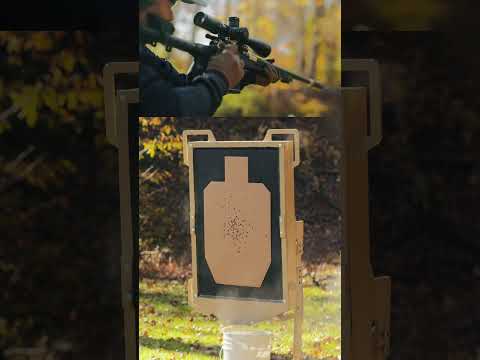
This video explains the two primary types of bullet traps used in shooting ranges: steel and rubber. Steel traps offer immediate bullet capture but can be noisy and require more frequent maintenance. Rubber traps, while requiring periodic lead extraction, offer a quieter and longer-lasting solution, capable of handling hundreds of thousands of rounds. The video highlights the specific capabilities and limitations of rubber traps, including their rating for calibers up to .338 Lapua but not .50 BMG, and the importance of fire-retardant coatings on rubber to mitigate fire risks from tracer or incendiary ammunition.


Quick Summary

Rubber bullet traps are a popular choice for shooting ranges due to their quiet operation and high capacity, capable of holding around 800,000 rounds. While rated for calibers up to .338 Lapua, they are not suitable for .50 BMG. These traps feature a fire-retardant coating to prevent ignition from tracer rounds, and lead extraction is typically handled by specialized companies using trommel machines.

Chapters

  1. 00:00Introduction to Bullet Traps
  2. 00:04Rubber Bullet Trap Overview
  3. 00:07Steel vs. Rubber Trap Comparison
  4. 00:13Advantages of Steel Traps
  5. 00:22Disadvantages of Steel Traps
  6. 00:26Advantages of Rubber Traps
  7. 00:32Rubber Trap Capacity and Lifespan
  8. 00:42Caliber Ratings: .338 Lapua vs. .50 BMG
  9. 00:52.50 BMG Limitations on Ranges
  10. 00:68Rubber Bullet Trap Functionality
  11. 00:80Examining the Rubber Material
  12. 00:91Fire Retardant Coating Explained
  13. 01:11Lead Extraction Process
  14. 01:28Trommel for Lead Recycling
  15. 01:50Conclusion on Bullet Traps

Frequently Asked Questions

What are the main types of bullet traps used in shooting ranges?

The two primary types of bullet traps are steel traps and rubber traps. Steel traps immediately capture bullets but can be noisy and wear out faster. Rubber traps offer a quieter, longer-lasting solution, capable of holding hundreds of thousands of rounds before needing maintenance.

How much ammunition can a rubber bullet trap hold?

A well-designed rubber bullet trap, like the one discussed, can hold approximately 800,000 rounds. This capacity allows for extended use before the lead needs to be extracted and the rubber repositioned.

Can rubber bullet traps handle all rifle calibers?

Rubber bullet traps are typically rated for calibers up to .338 Lapua Magnum. They are not designed or rated for larger calibers like .50 BMG, as the energy transfer would require significantly thicker rubber and could pose structural risks.

Why is fire retardant coating important on rubber bullet traps?

Fire retardant coating is crucial for rubber bullet traps to prevent ignition from tracer or incendiary ammunition. This coating, often visible as a gray splatter, mitigates the risk of fire, especially in indoor shooting environments where such ammunition is prohibited.
More Range & Competition Videos You Might Like

More from GUNBROS

View all →